In the world of infrastructure and construction, stone crushing plants play a vital role in driving progress. In fact, from towering skyscrapers in modern cities to the highways that connect nations, almost every physical structure depends on the materials produced by these powerful industrial systems.
If you are looking to enter the aggregate business or managing a mining project, understanding how a crushing plant operates is your first step toward efficiency.
What Is a Stone Crushing Plant?
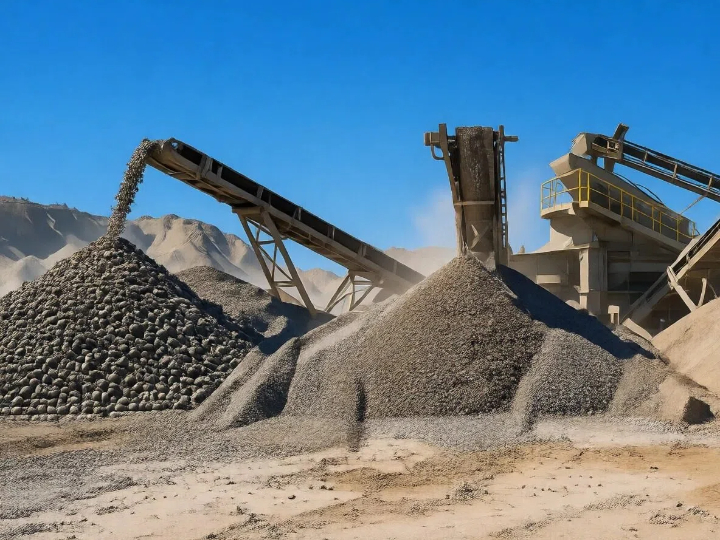
A stone crushing plant is a production system designed to crush large rocks into smaller aggregates such as gravel, sand, and crushed stone. These materials are widely used in construction, road building, railway projects, and concrete production.
In general, a crushing plant consists of several machines that work together to process raw stone materials into different sizes required by various industries.
Stone crushing plants can process many types of materials, including:
- Granite
- Limestone
- Basalt
- River stone
- Quartz
- Construction waste
Depending on project requirements, crushing plants can be designed as either stationary plants or mobile crushing plants.
Main Equipment in a Stone Crushing Plant
A complete stone crushing plant usually includes the following main equipment.
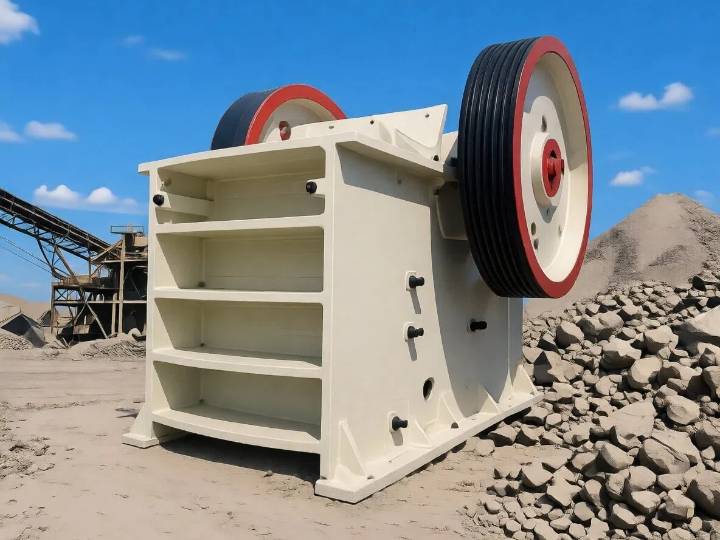
Jaw Crusher
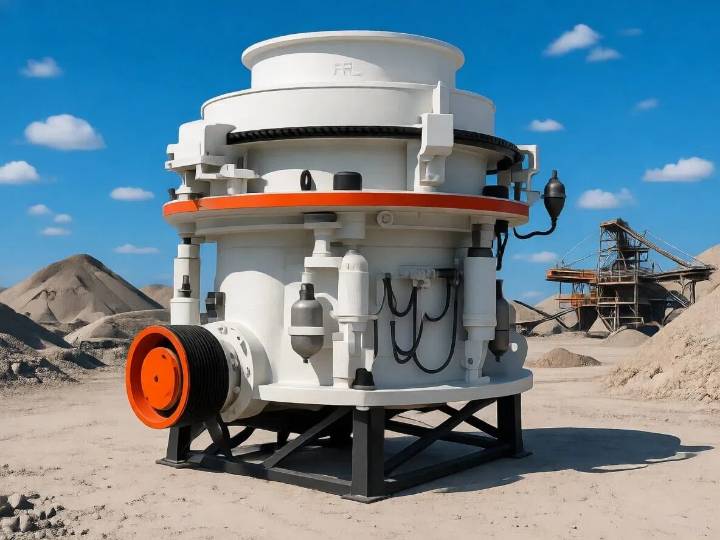
Cone Crusher
1. Jaw Crusher
In most stone crushing plants, the jaw crusher serves as the primary crusher because it efficiently breaks large stones into medium-sized aggregates for further processing.
Features:
- Strong crushing capacity
- Suitable for hard materials like granite and basalt
- Large feeding size
2. Cone Crusher
A cone crusher is commonly used for secondary or tertiary crushing.
Advantages:
- High efficiency
- Uniform particle size
- Ideal for hard stone processing
Cone crushers are widely used in granite and basalt crushing plants.
3. Impact Crusher
The impact crusher is suitable for medium-hard materials, such as limestone and concrete waste.
Advantages:
- Good particle shape
- High reduction ratio
- Ideal for aggregate production
4. Vibrating Screen
The vibrating screen separates crushed materials into different sizes.
For example:
- 0–5 mm sand
- 5–10 mm aggregate
- 10–20 mm aggregate
- 20–40 mm aggregate
Materials that do not meet the size requirement are returned to the crusher for further crushing.
| Equipment | Primary Function | Best Used For |
| Jaw Crusher | Heavy-duty primary crushing | Hard rocks, ores, and large boulders |
| Cone Crusher | Secondary/Tertiary crushing | Abrasive materials (Granite, Quartz) |
| Impact Crusher | Shaping and resizing | Non-abrasive rocks (Limestone, Concrete) |
| Vibrating Screen | Grading and filtering | All aggregate sizes |
| Belt Conveyors | Material transport | Linking all equipment together |
How Does a Stone Crushing Plant Work?(The 5 Steps)
The working process of a stone crushing plant generally includes several stages.
Step 1 – Feeding
Initially, raw stones are transported to the vibrating feeder, which ensures that materials are fed evenly into the primary crusher.
Step 2 – Primary Crushing
After feeding, the jaw crusher crushes large stones into medium-sized aggregates for further processing in the crushing plant.
Step 3 – Secondary Crushing
The materials are then sent to a cone crusher or impact crusher for further size reduction.
Step 4 – Screening
After primary and secondary crushing, the materials enter the vibrating screen, where they are classified into different sizes for further processing.
Step 5 – Final Products
Finally, the aggregates are transported by belt conveyors and stored for use in construction or concrete production.
Applications of Stone Crushing Plants
Stone crushing plants are widely used in many industries.
1. Construction Industry
Crushed aggregates are essential for:
- Concrete production
- Asphalt mixtures
- Building foundations
2. Road and Highway Construction
Aggregates produced by crushing plants are widely used for:
- Highway base layers
- Road subgrades
- Asphalt pavement
3. Mining Industry
In mining operations, crushing plants help process raw ores before further mineral processing.
4. Recycling Construction Waste
Mobile crushing plants can also process construction and demolition waste, turning waste materials into reusable aggregates.
Mobile Crushing Plant vs Stationary Crushing Plant
There are two main types of crushing plants.
Mobile Crushing Plant
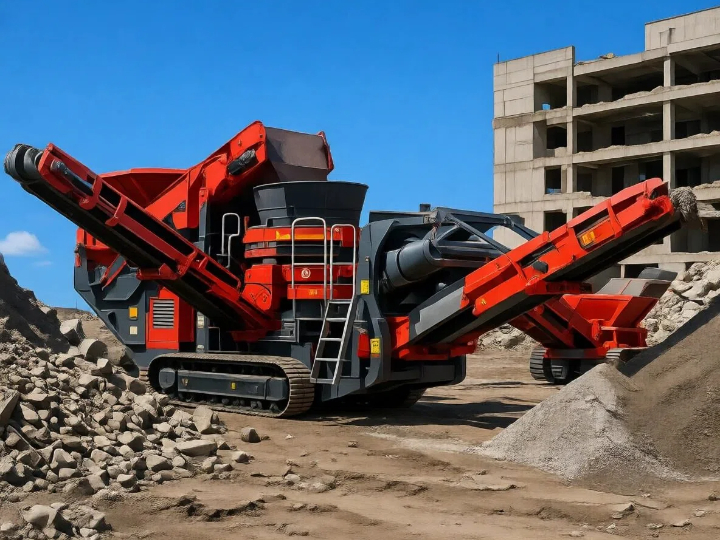
Advantages:
- Easy to transport
- Quick installation
- Suitable for short-term projects
Mobile plants are ideal for construction sites and quarry operations.
Stationary Crushing Plant
Advantages:
- Higher production capacity
- Lower long-term operating cost
- More stable performance
Stationary plants are commonly used in large quarries and long-term mining projects.
How to Choose the Right Stone Crushing Plant
Choosing the right crushing plant depends on several factors.
1. Material Type
Different stones require different crushers.
Example:
- Granite → jaw crusher + cone crusher
- Limestone → jaw crusher + impact crusher
2. Production Capacity
Crushing plants can range from 50 tons per hour to over 1000 tons per hour.
Capacity should match your project requirements.
3. Final Product Size
The required aggregate size determines:
- Crusher type
- Number of crushing stages
- Screen configuration
4. Mobility Requirement
If your project site changes frequently, a mobile crushing plant may be the best choice.
FAQ – Stone Crushing Plant
1. What is a stone crushing plant?
A stone crushing plant is a system of machines designed to crush large rocks into smaller aggregates such as gravel, sand, and crushed stone. As a result, these aggregates are widely used in construction, road building, railway projects, and concrete production.
A typical crushing plant includes equipment such as jaw crushers, cone crushers, impact crushers, vibrating screens, feeders, and conveyors.
2. How does a stone crushing plant work?
A stone crushing plant works through several stages:
- Feeding – Raw stones are fed into the system using a vibrating feeder.
- Primary Crushing – A jaw crusher crushes large rocks into medium sizes.
- Secondary Crushing – Cone crushers or impact crushers further reduce the material size.
- Screening – A vibrating screen separates aggregates into different sizes.
- Final Products – The finished aggregates are transported by conveyors for storage or use.
3. What machines are used in a stone crushing plant?
A complete stone crusher plant usually includes the following equipment:
- Vibrating feeder
- Jaw crusher
- Cone crusher or impact crusher
- Vibrating screen
- Belt conveyor
Different configurations may be used depending on the material type, capacity, and final product size.
4. What is the capacity of a stone crushing plant?
The capacity of a stone crushing plant can vary greatly depending on the equipment configuration.
Typical production capacities include:
- Small crushing plant: 50–100 tons per hour
- Medium crushing plant: 100–300 tons per hour
- Large crushing plant: 300–1000 tons per hour
Therefore, the final production capacity in a stone crushing plant depends on factors such as crusher type, material hardness, and the overall plant design, ensuring efficient and reliable operation.
5. What is the difference between a mobile crushing plant and a stationary crushing plant?
A mobile crushing plant is mounted on wheels or tracks, making it easy to move between job sites. Therefore, it is ideal for construction sites, road projects, and temporary crushing operations.
A stationary crushing plant is installed permanently and usually offers higher capacity and more stable production, making it suitable for large quarries and mining operations.
6. What materials can a stone crushing plant process?
A stone crushing plant can process a wide variety of materials, including:
- Granite
- Limestone
- Basalt
- River stone
- Quartz
- Construction waste
- Concrete debris
Therefore, in a stone crushing plant, different types of crushers are used depending on the material’s hardness and characteristics, ensuring optimal performance and product quality.
7. How much does a stone crushing plant cost?
The price of a stone crushing plant depends on several factors, such as:
- Production capacity
- Type of crushers used
- Plant configuration
- Mobile or stationary design
Small crushing plants may start at tens of thousands of dollars, while large complete crushing plants can cost hundreds of thousands to over one million dollars.
8. How do I choose the right stone crushing plant?
When selecting a stone crushing plant, you should consider:
- Type of material to be crushed
- Required production capacity
- Desired aggregate size
- Project location
- Budget
Moreover, collaborating with a reputable stone crushing equipment manufacturer can ensure the design of the most efficient and suitable crushing solution for your project.
Why Is the Aggregate Industry Booming?
Recycling Gains: Modern stone crushing plants are capable of processing Construction and Demolition (C&D) waste, converting materials from old buildings into aggregates for new road construction—supporting the principles of the circular economy.
Urbanization: Due to the global demand for housing and commercial space, billions of tons of aggregates are required each year.
Infrastructure Renewal: Moreover, aging bridges and roadways demand continuous maintenance, which relies on fresh construction aggregates.
Conclusion
A stone crushing plant is an essential production system that transforms raw rocks into valuable construction aggregates. By combining equipment such as jaw crushers, cone crushers, impact crushers, and vibrating screens, these plants can efficiently produce high-quality materials for construction, infrastructure, and mining industries.
When selecting a crushing plant, it is important to consider the material type, production capacity, desired final product size, and the location of the project.
With the right configuration, a stone crushing plant can significantly improve productivity and reduce operating costs for your project.