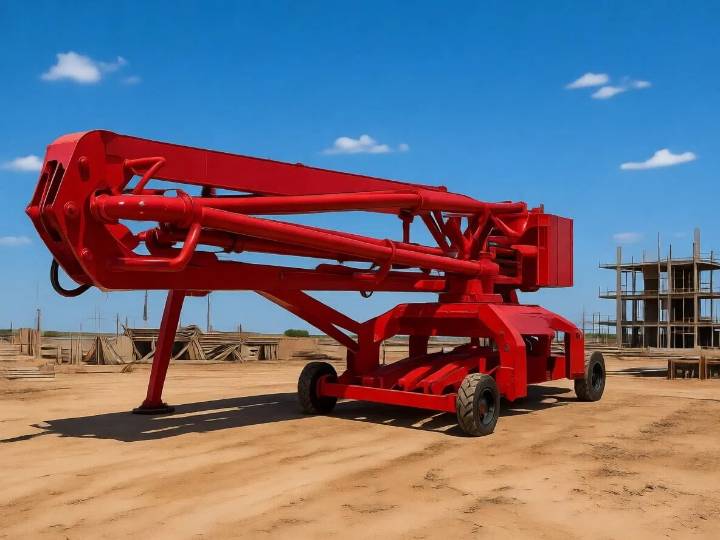
Master the Pour: Why a Floor Screed Pump is a Game-Changer for Your Next Project
In the world of modern construction, efficiency and precision aren’t just “nice-to-haves”—they are the pillars of a profitable project. If you are still relying on manual labor to transport and lay floor screed, you might be lagging behind.
Floor Screed Pump: The Key to Faster, Smoother, and More Efficient Flooring Projects
In modern construction, efficiency and quality are everything—especially when it comes to flooring. Whether you’re working on residential buildings, commercial complexes, or large-scale industrial projects, achieving a smooth and durable floor finish is essential. This is where a floor screed pump becomes a game-changer.
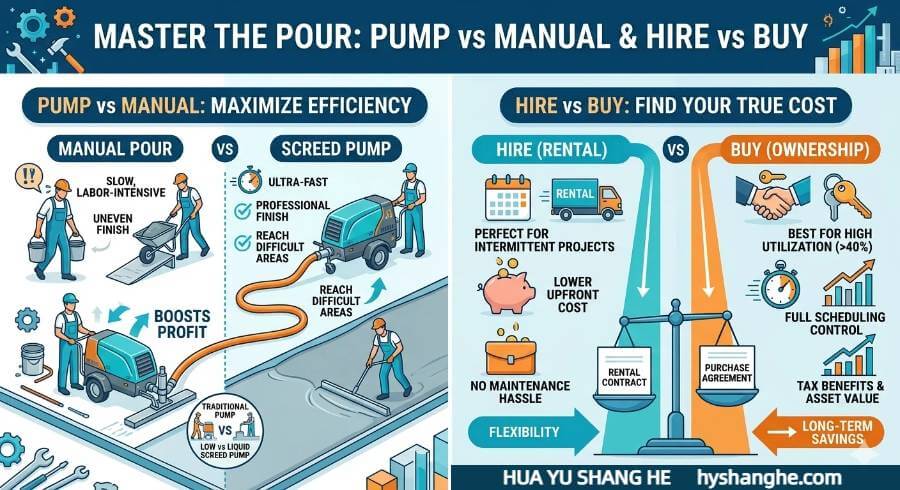
What Exactly is a Floor Screed Pump?
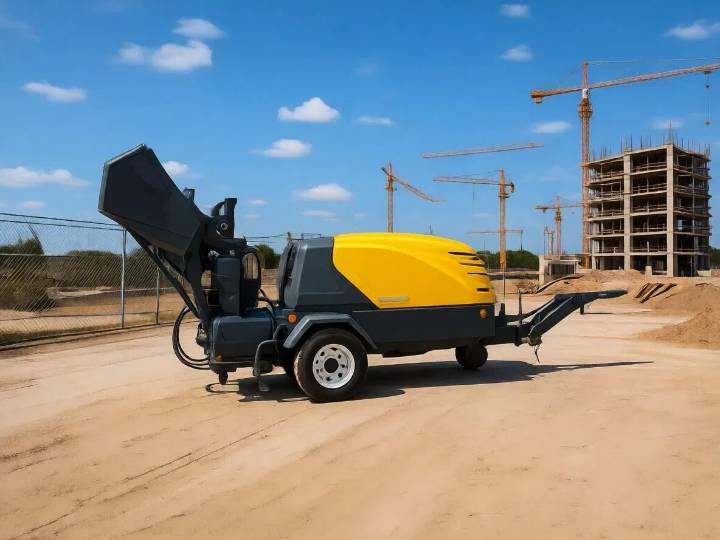
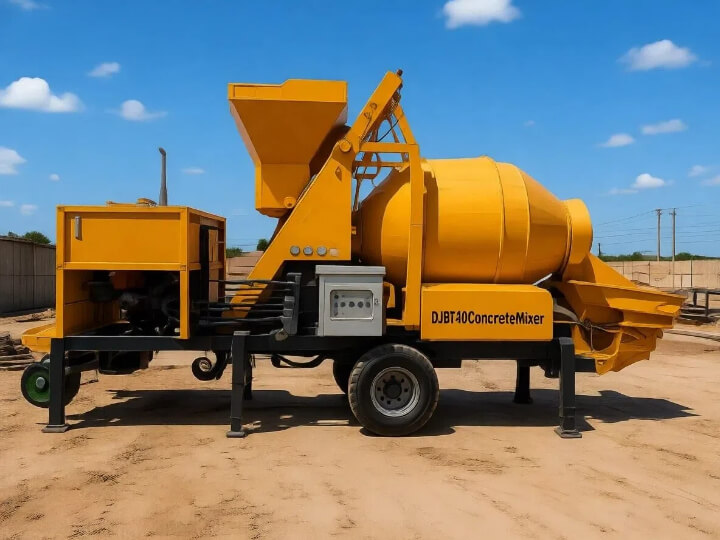
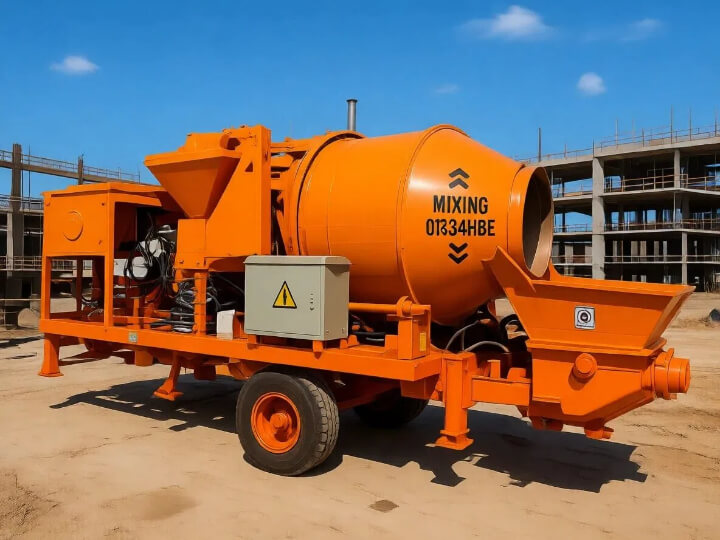
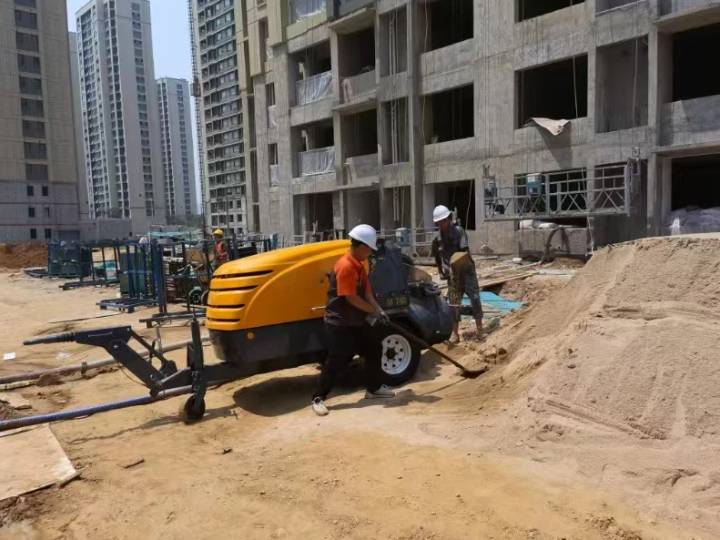
A floor screed pump is a specialized piece of machinery designed to mix and/or transport screed (a mixture of cement, sand, and water) directly to the floor area where it is needed. Instead of hauling heavy buckets or pushing wheelbarrows through tight corridors, the pump uses high-pressure hoses to deliver the material precisely. Unlike traditional manual screeding, these machines can cover hundreds of square metres per day, dramatically reducing labour costs and installation time.
The pump draws material through a hose system, allowing operatives to reach floor areas that are difficult to access by hand. This makes them invaluable in multi-storey buildings, warehouses, and projects with tight scheduling requirements.
There are two main types you’ll encounter:
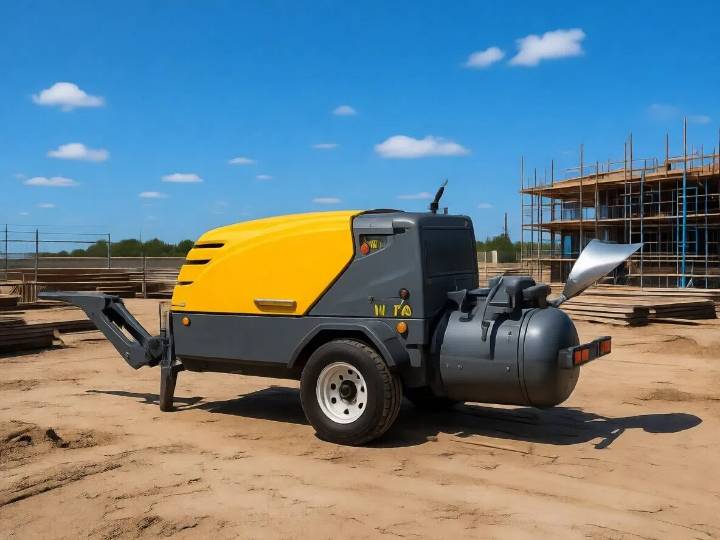
Pneumatic Screed Mixers/Conveyors: These use compressed air to “push” semi-dry screed through the pipes.
Flowing Screed Pumps (Worm Pumps): Designed for liquid or self-leveling screeds, these provide a continuous flow for a perfectly flat finish.
Types of Floor Screed Pumps
There are two main types you’ll encounter:
Flowing Screed Pumps (Worm Pumps): Designed for liquid or self-leveling screeds, these provide a continuous flow for a perfectly flat finish.
Pneumatic Screed Mixers/Conveyors: These use compressed air to “push” semi-dry screed through the pipes.
The Top Benefits of Using a Screed Pump
1. Unmatched Speed and Efficiency
Manual screeding is labor-intensive and slow. Traditional screeding methods require multiple workers and repeated manual handling. A screed pump delivers material directly to the work area, saving time and labor. Modern pumps can deliver up to 25 m³ per hour, enabling a single crew to screed a 1,000 m² floor in a single day. This means faster project turnaround and lower labor costs.
2. Superior Quality and Consistency
Uniform mixing and controlled pumping ensure a consistent water-to-cement ratio throughout the entire pour — the single most important factor in preventing cracks and weak spots. When screed is machine-mixed and delivered by pump, especially with an integrated mixer, the material quality remains stable from start to finish. The result is a stronger, more durable floor: smoother surfaces, better levelling, and far fewer defects than anything achievable by hand.
3. Labor Cost Reduction
A floor screed pump doesn’t just speed up the pour — it fundamentally changes how your team works. A two-person crew operating a pump can outperform a much larger manual gang, replacing several labour-intensive tasks in a single pass. That reduction in headcount translates directly into lower labour costs, while eliminating the need to carry heavy loads across site significantly reduces the risk of workplace injuries. Fewer people, less physical strain, and better output: the economics are compelling on projects of any size.
4. Access to Difficult Areas
One of the most practical advantages of a floor screed pump is its ability to move material where manual methods simply cannot. With hose systems extending up to 150 m horizontally and 50 m vertically, the machine stays on the ground while only the hose enters the workspace — no heavy equipment on upper floors, no screed being hauled up narrow stairwells. Whether you’re working on the tenth floor of a high-rise or pouring into a basement with restricted access, a pump turns what would otherwise be a logistical nightmare into a straightforward operation.
5. Cleaner Work Environment
Automated pumping minimizes material spillage and dust, keeping the job site cleaner and safer.
6. Compatibility with underfloor heating
Liquid screed systems pumped at low pressure encapsulate UFH pipes without voids, maximising thermal conductivity and system efficiency.
Choosing the Right Pump for Your Project
When selecting a pump, consider the material type. If you are using a traditional semi-dry 1:4 cement/sand mix, a pneumatic conveyor is your best bet. However, for modern anhydrite or liquid cement screeds, a flow pump is necessary to handle the high fluidity.
| Feature | Pneumatic Conveyor | Flowing Screed Pump |
| Best For | Semi-dry (Traditional) | Liquid / Self-leveling |
| Mechanism | Compressed Air | Rotor/Stator (Worm) |
| Finish | Requires manual leveling | Self-smoothing properties |
Next, consider the volume and schedule. A small domestic job may only need a compact trailer-mounted pump, while a multi-storey commercial build demands a high-output, self-loading machine. Hose distance and vertical lift are critical spec points — always check the manufacturer’s rated performance at your expected hose length.
Finally, think about site access. Some pumps are truck-mounted and need adequate road access; others are compact enough to enter through a standard doorway.
Quick specification checklist
✓Screed type and mix design
✓Total floor area (m²)
✓Required output rate (m³/h)
✓Max hose length & vertical lift
✓Site access constraints
✓Power supply (electric/diesel)
Maintenance and Best Practices
A screed pump is a significant investment, and proper care will extend its working life considerably. After each pour, flush the hose system thoroughly with water to prevent screed hardening inside the lines — this is the single most common cause of pump failure on site.
Inspect wear components — stators, rotor tips, seals, and delivery hoses — at regular intervals as recommended by the manufacturer. Keeping spare wear parts on the vehicle prevents costly delays mid-pour. Lubricate moving parts per the service schedule and store the machine in a dry environment when not in use.
Operator training matters too. A well-calibrated pump in inexperienced hands can still produce an inconsistent floor. Ensure all operatives understand mix ratios, pump pressure settings, and how to respond if the flow rate changes unexpectedly.
Hire vs Buy: The True Cost of a Screed Pump
For many contractors, the decision to invest in a floor screed pump isn’t just about the sticker price—it’s about cash flow, project volume, and long-term strategy. If you’re at a crossroads, here is a breakdown of the “True Cost” to help you decide between hiring and buying.
The Financial Breakdown (2026 Estimates)
| Feature | Hiring (Rental) | Buying (New/Used) |
| Upfront Cost | $500 – $1,500 (Deposit + 1st week) | $20,000 – $45,000+ (New) |
| Daily/Weekly Rate | $150 – $400 per day | $0 (Direct daily cost) |
| Maintenance | Included in rental fee | $2,000 – $5,000 annually |
| Storage & Logistics | Rental company handles storage | Requires dedicated yard/garage |
| Asset Value | None (Pure expense) | Resale value typically 40-60% after 5 years |
Hidden costs of hiring
The day rate is rarely the full story. Hire companies typically charge separately for delivery and collection, which can add $200–$400 per mobilisation. If a machine breaks down on site, you’re often waiting for a replacement rather than a quick repair — lost time that can cost more than the hire fee itself.
There’s also the issue of availability. During busy periods — typically spring and early autumn — popular pump models book out weeks in advance. Relying on hire means your programme is partially at the mercy of someone else’s fleet.
Hidden costs of owning
Before you sign a purchase agreement, account for these “invisible” expenses:
Wear Parts: Hoses, rotors, and stators are consumables. Depending on the abrasiveness of your mix, you may spend $1,000+ a year just on replacement parts.
Insurance: You’ll need specific inland marine or equipment insurance to cover theft on-site or damage during transit.
Training: You need a certified operator. A poorly cleaned pump can lead to a “set” mix inside the hopper, resulting in a $5,000 repair in a single afternoon.
When Hiring Makes Sense: The “40% Rule”
The construction industry often uses the 40% Utilization Rule. Calculate how many days per month you expect to use the pump.
Low Volume (<40%): If you only use a pump 8–10 days a month, Hiring is almost always better. You avoid the “idle capital” trap where a $30,000 machine sits in your garage losing value to depreciation.
Specialized Projects: If you usually do traditional screed but have one liquid screed job, rent a specialized Worm Pump for that specific week rather than buying a machine that doesn’t fit your core business.
When Buying is the Winning Move
Project Consistency: If your calendar is booked 3–4 days a week, every week, the rental fees will eventually surpass a monthly finance payment (which typically ranges from $600 – $1,200/month).
Scheduling Control: Nothing kills a profit margin like a rental company being “out of stock” on the day your crew is ready to pour. Ownership means the machine is ready when you are.
Tax Incentives: In many regions, purchasing heavy machinery allows for significant tax write-offs through depreciation (like Section 179 in the US or similar capital allowance schemes elsewhere).
The rule of thumb
If your annual hire spend exceeds 40–50% of a new machine’s purchase price for two consecutive years, buying is almost certainly the better financial decision — before you even account for the productivity and scheduling advantages of owning your own equipment.
The Bottom Line
Floor screed pumps have become an essential piece of kit for any contractor serious about quality and efficiency. Whether you’re laying a thin bonded topping or a deep unbonded base coat, the right pump turns a labour-intensive process into a controlled, repeatable operation.
Investing in the right machine — or partnering with a specialist hire company — can make the difference between a project that runs to schedule and one that doesn’t.