As we move into 2026, the global construction industry faces a dual challenge: rising logistical costs and a shortage of skilled onsite labor. For international buyers, the “price tag” of a concrete batching plant is only part of the investment. The real costs often lie in sea freight and the weeks spent on assembly.
At Shanghe Construction Machinery, we’ve optimized our equipment design to help clients slash these “hidden costs” by up to 20%. Here is your comprehensive guide to making a smarter, more cost-effective purchase this year.
1. Optimize Logistics: The Magic of Bolted and Modular Designs
Shipping a massive concrete plant across oceans is expensive because of volume. In 2026, the trend has shifted entirely toward high-container-utilization designs.
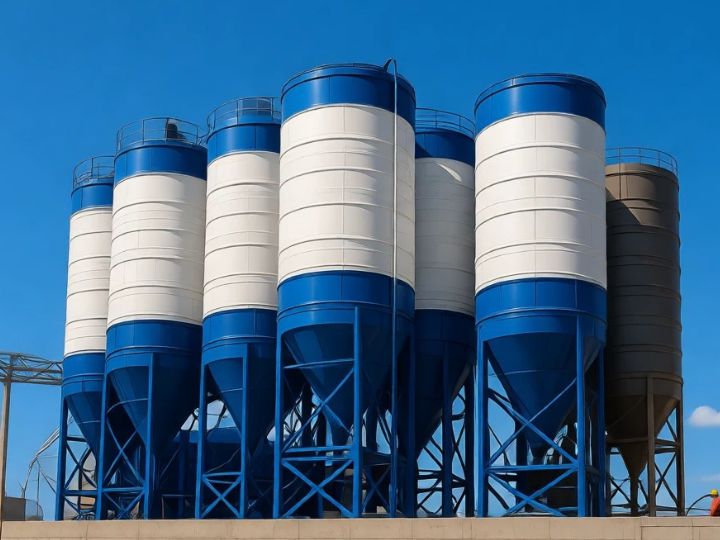
The Bolted Cement Silo Advantage
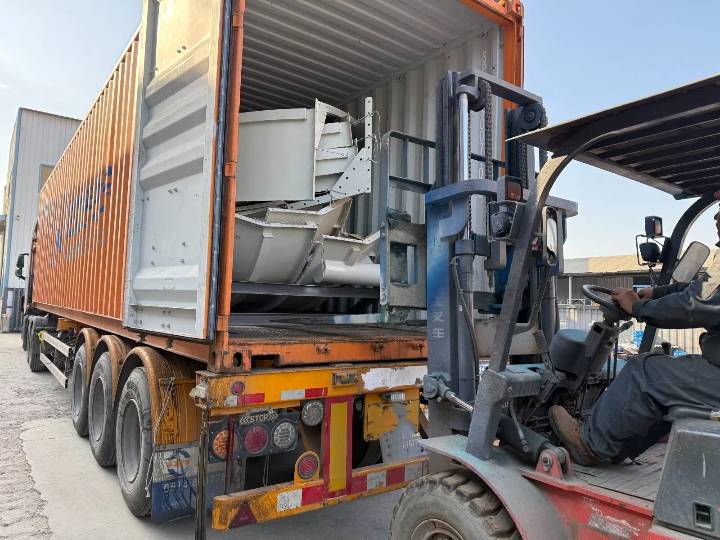
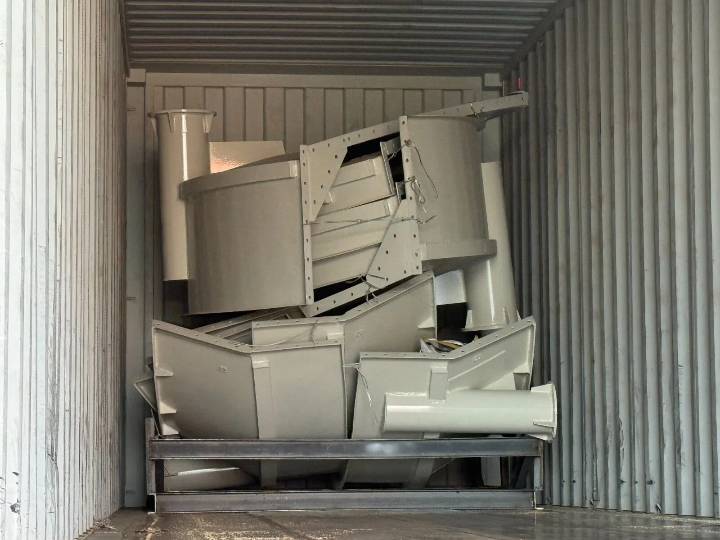
Traditional welded silos are “air-shippers”—you pay to ship empty space. By choosing a Bolted Type Cement Silo, the structure is dismantled into nested segments.
Protection: Bolted parts are easier to secure, reducing the risk of maritime damage.
Cost Saving: You can fit a 100-ton silo into a single 40HC container, whereas a welded one might require a special flat rack or multiple containers.
2. Slash Installation Time with Pre-Wired Modules
The most expensive days on a job site are the ones where your team is waiting for a machine to be ready. Traditional plants require complex electrical wiring and welding on-site.
How to save:
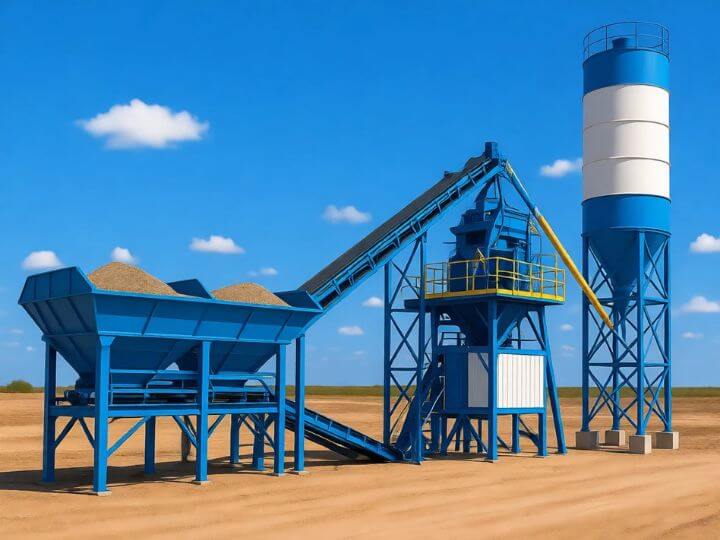
- Plug-and-Play Components: Look for plants with modular structures. Our 2026 models feature pre-installed air piping and factory-tested electrical harnesses.
- No-Foundation Options: For temporary projects, consider a Foundationless Concrete Batching Plant. By using a steel frame base instead of pouring massive concrete foundations, you save on both material costs and curing time.
3. Choose the Right Tech: Efficiency = Long-term Savings
A cheap plant that wastes 1% of cement per batch will cost you tens of thousands of dollars over a year.
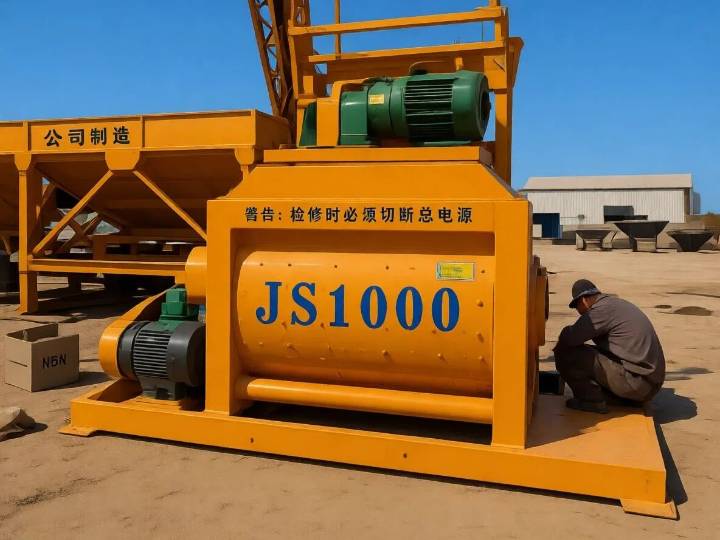
Twin-Shaft Mixers: In 2026, the Twin-Shaft Concrete Mixer remains the gold standard for achieving a homogeneous mix faster, reducing mixing cycles by 15% and saving electricity.
Precision Weighing: Ensure your plant uses high-precision load cells for aggregate and cement.
4. Comparison Table: Traditional vs. Optimized Strategy
| Feature | Traditional Batching Plant | Shanghe Optimized Plant (2026) | Saving Impact |
| Silo Type | Welded (Bulk Cargo) | Bolted (Containerized) | -30% Freight |
| Assembly | On-site Welding/Wiring | Modular Plug-and-Play | -50% Labor Time |
| Foundation | Deep Concrete Pit | Steel Base/Surface Mount | -20% Prep Cost |
| Control | Manual/Basic | AI-Integrated PLC | -5% Material Waste |
5. Maintenance: The “Invisible” Saving
A breakdown in the middle of a pour is a financial disaster. To save on long-term costs, prioritize:
- Wear-Resistant Liners: High-chromium alloy liners last 30% longer.
- Remote Diagnostics: Our 2026 control systems allow our engineers in China to troubleshoot your PLC via the cloud, saving you the cost of flying in a technician.
Conclusion: Start with a Smart Layout
Saving 20% isn’t about buying the cheapest machine; it’s about buying the most efficiently engineered one. By focusing on container-friendly designs and modular installation, you significantly lower your Total Cost of Ownership (TCO).
Ready to calculate your project savings? [Contact Shanghe Construction Machinery today] for a customized layout design and a transparent shipping quote. Let’s build your project faster and more affordably in 2026.