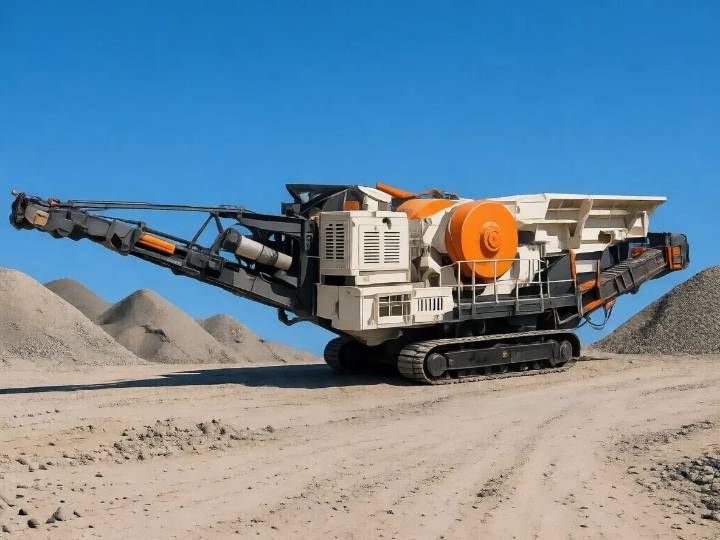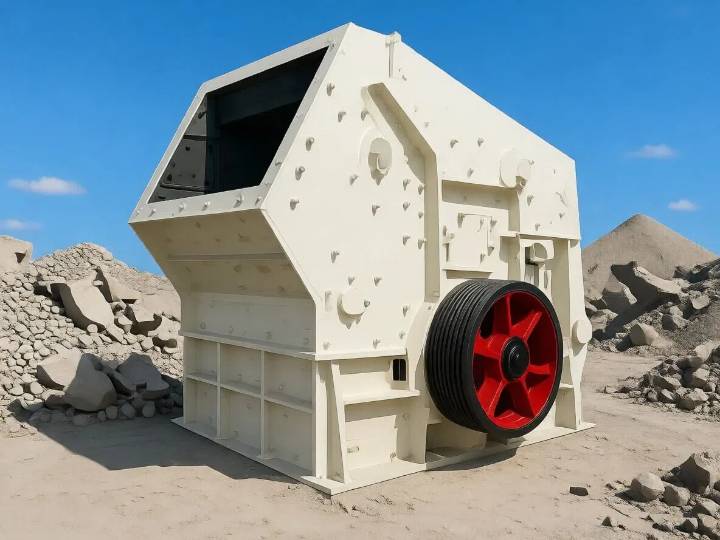
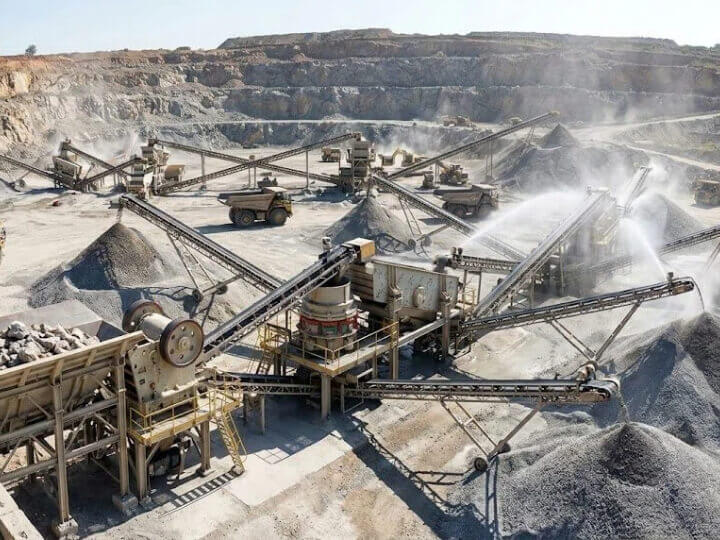
Shanghe Sand Making Plant
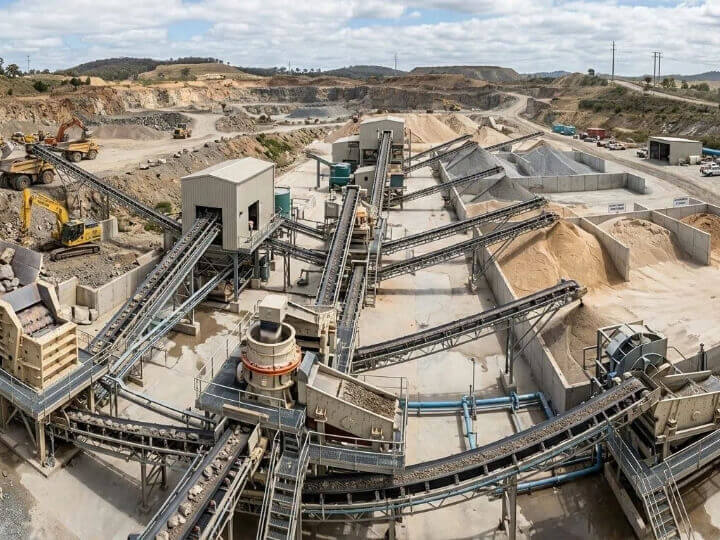
Sand Making Plant – Complete Solution for Artificial Sand Production
A Sand Making Plant is a complete production system designed to produce high-quality manufactured sand from various types of stone materials. In general, it processes raw stones into fine sand suitable for different construction applications. As a result, it is widely used in industries such as construction, mining, road building, and concrete production. Moreover, with the increasing demand for construction materials, sand making plants have become an essential solution for producing consistent and reliable manufactured sand.
Due to the increasing shortage of natural river sand and stricter environmental regulations, manufactured sand has become an important alternative. A sand making plant processes raw materials such as granite, basalt, limestone, and river pebbles into fine sand suitable for concrete, asphalt, and building materials.
Main Equipment in a Sand Making Plant
- Vibrating Feeder
The vibrating feeder first delivers raw materials evenly to the crushing equipment. As a result, it helps maintain a stable and continuous operation of the entire production line.
Advantages:
- Continuous and uniform feeding
- Adjustable feeding capacity
- Reliable and durable structure
2. Primary Crusher (Jaw Crusher)
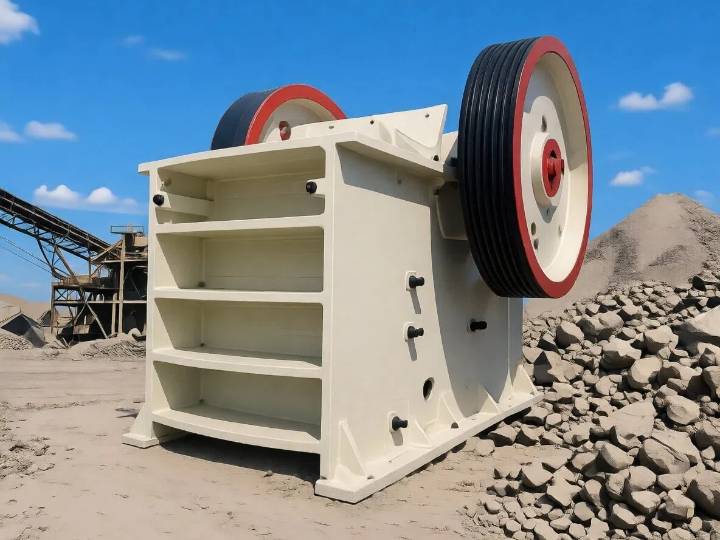
The jaw crusher is used for the first stage of crushing, reducing large stones into smaller pieces suitable for further processing.
Features:
- Large crushing ratio
- Strong crushing capacity
- Suitable for hard materials
3. Sand Making Machine (VSI Crusher)
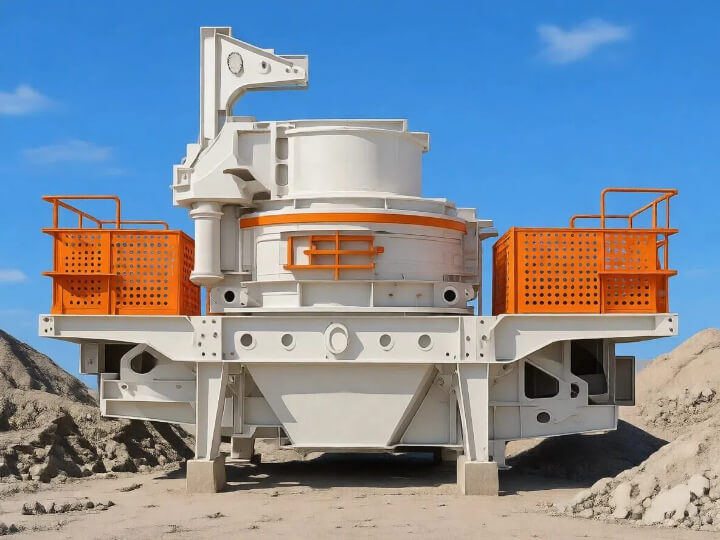
The VSI sand making machine plays a central role in the sand production line. As a result of its high-speed rotor design, it efficiently crushes and shapes materials into premium manufactured sand.
Advantages:
- Excellent cubic particle shape
- High sand production efficiency
- Adjustable sand size
4. Vibrating Screen
The vibrating screen separates crushed materials into different particle sizes. As a result, the final products can meet various construction standards.
Common output sizes include:
- 0–5 mm manufactured sand
- 5–10 mm aggregate
- 10–20 mm aggregate
5. Sand Washing Machine (Optional)
The sand washing machine effectively removes dust, clay, and impurities from the manufactured sand. Therefore, the final product becomes cleaner and more suitable for high-quality concrete production.
Sand Making Plant Process Flow
A typical sand production line follows these steps:
First, raw materials are fed into the vibrating feeder. Then, large stones enter the jaw crusher for primary crushing. After that, the crushed materials are transported to the sand making machine. Next, the VSI crusher performs fine crushing and shaping. Subsequently, vibrating screens classify the finished sand products. Meanwhile, oversized materials are returned for re-crushing. Finally, optional sand washing equipment cleans the final product.
Capacity of Sand Making Plants
Sand making plants can be designed with different capacities depending on project needs.
Common capacities include:
- 50–100 TPH small sand plant
- 100–200 TPH medium sand plant
- 200–400 TPH large sand production line
- 500+ TPH high-capacity quarry sand plant
Customized solutions are available for specific projects.
Applications of Sand Making Plants
Sand making plants are widely used in:
- Concrete production
- Road and highway construction
- Railway infrastructure
- Hydropower projects
- Construction aggregate production
- Mining industry
Manufactured sand is increasingly replacing natural river sand in many regions.
Advantages of Our Sand Making Plant
- High sand production efficiency
- Excellent particle shape and grading
- Low operating cost
- Durable wear-resistant components
- Energy-saving design
- Automatic control system
- Customized plant layout
We provide complete services including:
- Crushing and sand production line design
- Equipment manufacturing
- Installation guidance
- Operator training
- After-sales technical support
Sand Making Plant FAQ
1. What equipment is included in a sand making plant?
A typical sand making plant includes the following equipment:
- Vibrating feeder
- Jaw crusher (primary crusher)
- Cone crusher or impact crusher (optional secondary crusher)
- VSI sand making machine
- Vibrating screen
- Belt conveyors
Optional equipment:
- Sand washing machine
- Dust collection system
- Control cabinet or PLC control system
2. What materials can be processed in a sand making plant?
A sand making plant can process many types of stone materials, including:
- Granite
- Basalt
- Limestone
- River pebbles
- Quartz
- Dolomite
- Construction waste
The configuration of the production line will depend on the hardness of the material.
3. What is the capacity of a sand making plant?
Sand making plants can be designed with different production capacities, such as:
- 50–100 TPH small sand plant
- 100–200 TPH medium sand plant
- 200–400 TPH large sand plant
- 500+ TPH high-capacity production line
The final capacity depends on equipment configuration and raw material characteristics.
4. What is the difference between natural sand and manufactured sand?
Natural sand is collected from rivers or natural deposits, while manufactured sand is produced by crushing stones using sand making equipment.
Manufactured sand offers several advantages:
- Stable supply
- Consistent particle size
- Better particle shape
- Environmentally friendly production
Because of limited natural sand resources, manufactured sand is becoming increasingly popular in construction projects.
5. What is the typical output size of a sand making plant?
The main finished product is usually 0–5 mm manufactured sand.
Depending on the screening system, other aggregate sizes can also be produced, such as:
- 5–10 mm
- 10–20 mm
- 20–40 mm
6. Is a sand washing machine necessary?
A sand washing machine is optional but recommended when the raw material contains dust, clay, or impurities.
Sand washing equipment improves:
- Sand cleanliness
- Concrete quality
- Market value of the finished sand
7. How to choose the right sand making plant?
To design the most suitable sand making plant, the following information is required:
- Raw material type
- Maximum feeding size
- Required output sizes
- Production capacity (TPH)
- Project location
- Power supply standard
Based on this information, engineers can design the most efficient production line.
8. How long does it take to install a sand making plant?
Installation time depends on the size of the plant:
- Small plant: 7–15 days
- Medium plant: 15–30 days
- Large plant: 30–45 days
Proper foundation preparation and professional installation can reduce setup time.
9. Can a sand making plant be customized?
Yes. Sand making plants can be fully customized based on:
- Raw material hardness
- Required sand size
- Production capacity
- Local environmental regulations
- Customer budget and site conditions
Customized plant layouts and technical solutions are usually provided before production.
Why Choose Our Sand Making Plant?
Superior Particle Shape: Produces premium “M-Sand” with a high fineness modulus, ideal for high-strength concrete.
Lower Operating Costs: Equipped with wear-resistant alloy components that extend service life by 30-50%.
Eco-Friendly Design: Integrated dust collection and noise reduction systems to meet modern environmental regulations.
Adjustable Grading: Easily switch between “Stone-on-Stone” and “Stone-on-Iron” crushing chambers to suit your material hardness.
- Professional engineering team
- Global export experience
- High-quality manufacturing standards
- Competitive factory price
- Reliable after-sales service
Whether you need a small sand production line or a large quarry sand plant, we can provide the most suitable solution for your project.