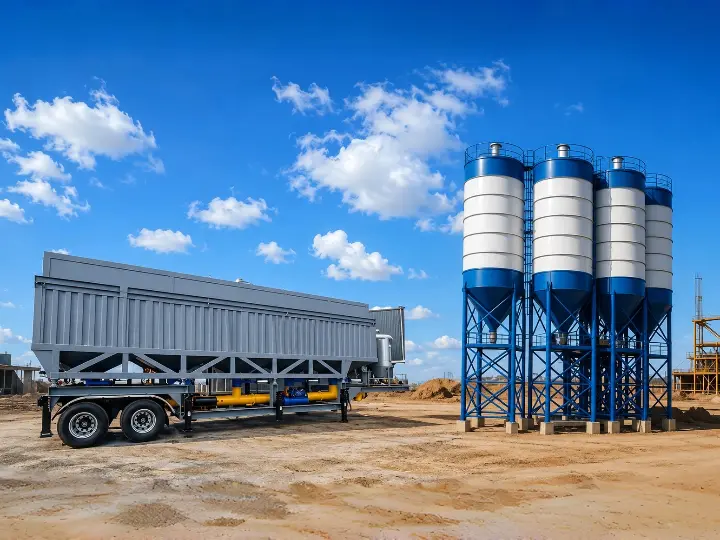
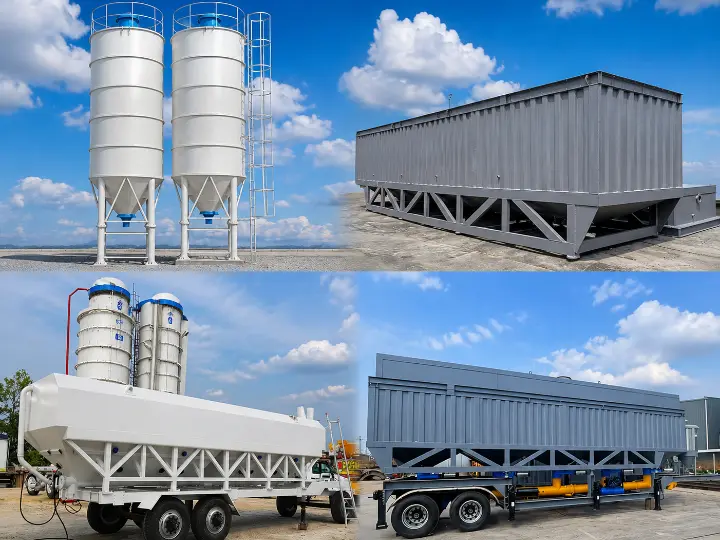
Cement Silo Types
Vertical & Horizontal Cement Silos for Sale
We offer two main types of cement storage silos to meet different project requirements.
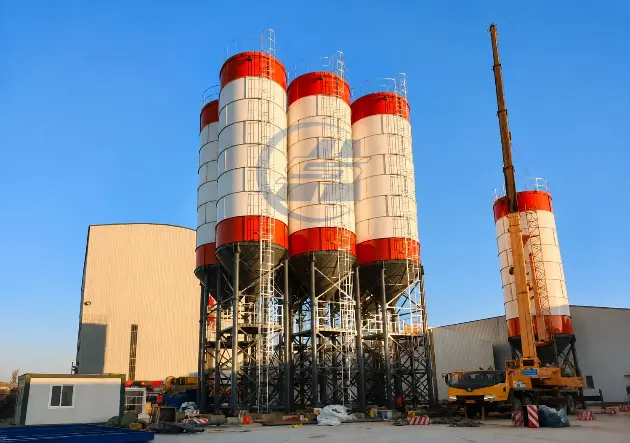
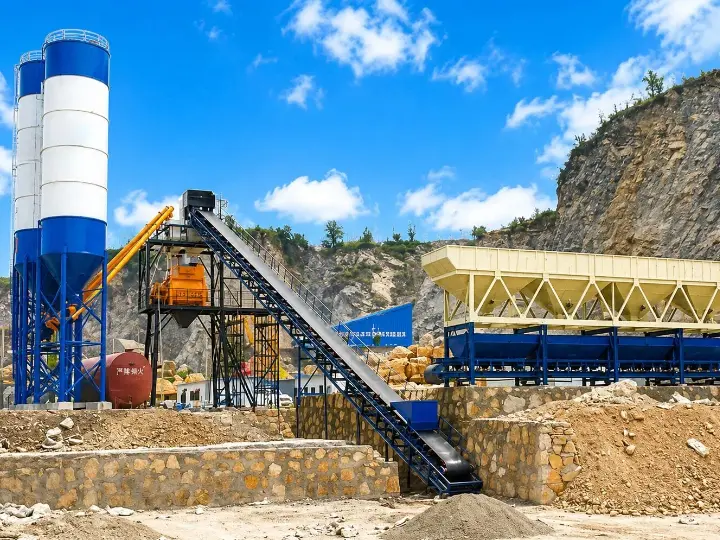
Vertical Cement Silo
Efficient Bulk Cement Storage for Stationary Concrete Plants
A vertical cement silo is a tall, cylindrical storage structure designed for bulk cement and other compatible dry powder materials.
It is widely used in concrete batching plants, dry mortar production lines and construction material storage systems.
Vertical cement silos are suitable for projects requiring larger storage capacity and long-term operation.
Key Advantages:
- Efficient use of ground space
- Multiple storage capacity options
- Suitable for continuous cement supply
- Compatible with cement conveying and weighing systems
- Available in welded or bolted configurations, depending on the model
- Optional dust collection and material level monitoring systems
Recommended Applications:
Stationary concrete batching plants, ready-mix concrete plants, dry mortar production lines and long-term construction projects.
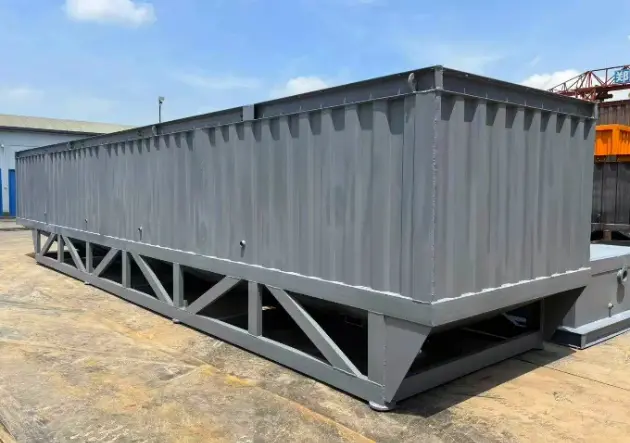
Horizontal Cement Silo
Low-Profile Cement Storage for Mobile Construction Projects
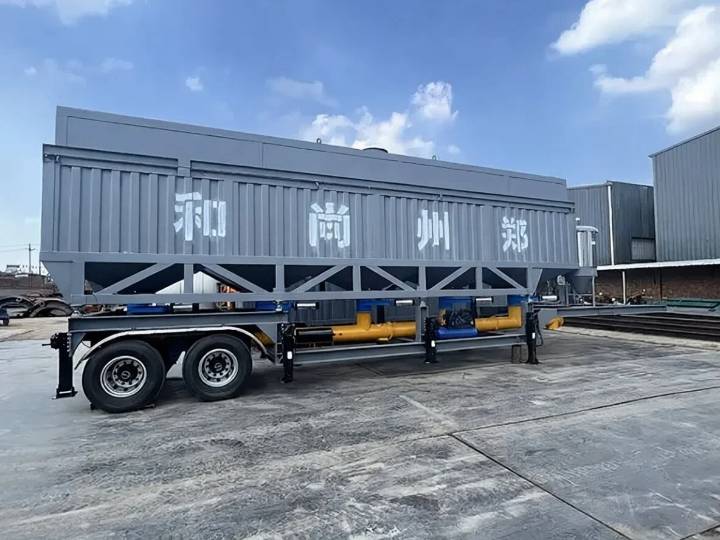
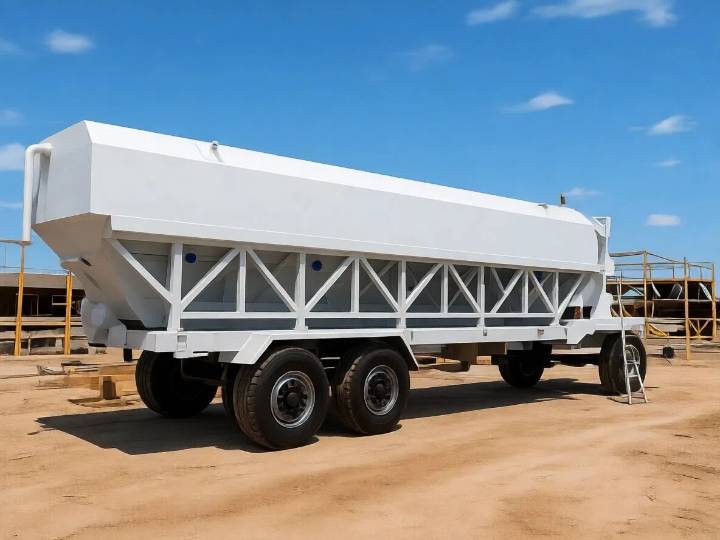
A horizontal cement silo is a low-height bulk powder storage system designed for projects where transportation convenience, installation height and relocation are important considerations.
Compared with traditional vertical silos, horizontal cement silos can be a practical option for mobile concrete batching plants and temporary construction sites.
Key Advantages:
- Low-profile structure
- Convenient transportation between suitable project sites
- Reduced installation height requirements
- Suitable for mobile concrete batching plants
- Available with integrated discharge and conveying systems
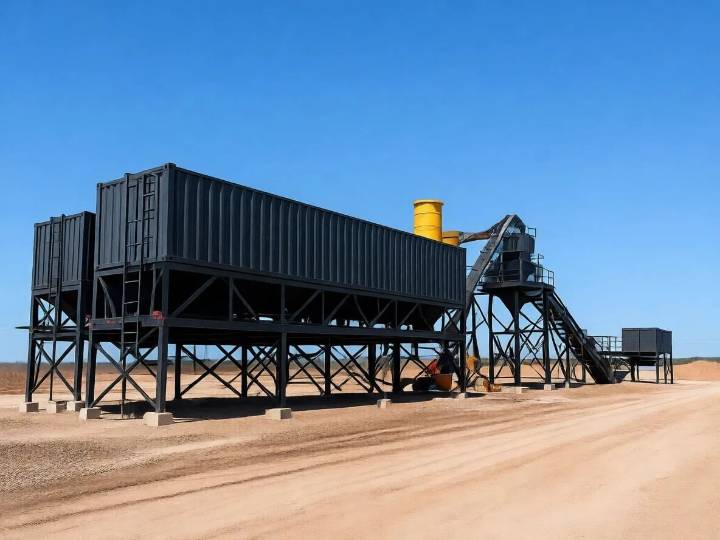
- Some designs can operate without a conventional deep silo foundation, subject to site conditions and engineering requirements
Recommended Applications:
Mobile concrete batching plants, temporary construction sites, road construction and projects requiring frequent relocation.
Vertical vs Horizontal Cement Silo
Choosing between a vertical and horizontal cement silo depends on your required storage capacity, project duration, available installation space and transportation requirements.
Both types are designed to store bulk cement, but they differ in structure, installation and mobility.
| Feature | Vertical Cement Silo | Horizontal Cement Silo |
|---|---|---|
| Structure | Tall cylindrical design | Low-profile design |
| Storage Capacity | Small to large capacities | Model-dependent, often smaller |
| Installation Height | Higher | Lower |
| Ground Space | Smaller footprint for comparable capacity | Generally larger footprint |
| Mobility | Depends on silo design | Often easier to relocate |
| Foundation | Engineered foundation generally required | Depends on design and site |
| Typical Application | Stationary batching plants | Mobile batching plants |
| Transportation | Welded or sectional bolted options | Transportable low-profile designs |
| Price | Request Quote | Request Quote |
Choose a Vertical Cement Silo If:
- You operate a stationary concrete batching plant.
- You need larger cement storage capacity.
- You have sufficient installation height.
- Your project requires long-term bulk cement storage.
Choose a Horizontal Cement Silo If:
- You operate a mobile concrete batching plant.
- Your project requires frequent relocation.
- You have limited installation height.
- You prefer a low-profile storage system.
Not sure which cement silo is right for your project?
Send us your storage capacity, installation conditions and application. Our team will help you compare suitable options.
Specifications
Vertical Cement Silo
| Volume | Diameter | Silo body height | Layers of silo body | Pieces each layer | Weight |
| 50t | 3160 mm | 4260 mm | 3 | 4 | 4.5 T |
| 100t | 3160 mm | 8700 mm | 6 | 4 | 6 T |
| 150t | 3160 mm | 13000 mm | 9 | 4 | 9 T |
| 200t | 4000 mm | 11360 mm | 8 | 5 | 12 T |
| 250t | 4500 mm | 8700 mm | 6 | 6 | 12 T |
| 300t | 5300 mm | 8700 mm | 6 | 8 | 17 T |
| 500t | 6800 mm | 7300 mm | 8 | 8 | 21 T |
| 600t | 6800 mm | 8700 mm | 6 | 8 | 28 T |
| 800t | 8000 mm | 10100 mm | 7 | 10 | 43 T |
| 1000t | 8000 mm | 13200 mm | 9 | 10 | 56 T |
Horizontal Cement Silo
| Item | Specification |
|---|---|
| Capacity | 20–100 Tons |
| Type | Horizontal Cement Silo |
| Material | Q235B / Q355 Steel |
| Installation | No Concrete Foundation Required |
| Feeding Method | Bulk Cement Truck |
| Discharge | Screw Conveyor |
| Dust Filter | Pulse Jet Dust Collector |
| Level Indicator | Optional |
| Safety Valve | Included |
| Finish | Anti-corrosion Paint |
Mobile Cement Silo
| Model | Capacity | Weight | Dimension (L×W×H) |
|---|---|---|---|
| Model A | 54 m³ / 70T | 6500 kg | 9797 × 2216 × 2677 mm |
| Model B | 15 m³ / 20T | 4600 kg | 6447 × 2108 × 2677 mm |
Low Level Cement Silo
| Item | Specification |
|---|---|
| Capacity | 30T – 100T (customizable) |
| Material | Q235B high-strength steel |
| Structure Type | Horizontal / Low profile |
| Discharge System | Screw conveyor compatible |
| Dust Collection | Pulse jet filter system |
| Accessories | Level sensor, safety valve, control box, vibrator |
| Installation | No deep foundation required |
How to Choose the Right Cement Silo Capacity
Consider the following factors:
Daily Cement Consumption
Estimate how much cement your batching plant or construction project uses each day.
Cement Delivery Frequency
If cement deliveries are infrequent, additional storage capacity may help reduce production interruptions.
Available Installation Space
Check the available ground area, height restrictions and site access.
Project Duration
Stationary projects and temporary construction sites may require different storage configurations.
Material Type
Cement, fly ash and other powders have different bulk densities and flow characteristics, which affect silo selection.
Contact Us for Cement Silo Capacity Recommendations.
Cement Silo Price
The price of a cement silo depends on its storage capacity, structural design, steel specifications, accessories and shipping requirements.
Vertical and horizontal cement silos have different manufacturing, transportation and installation cost considerations.
What Affects Cement Silo Price?
1. Storage Capacity
Larger cement silos generally require more steel and stronger supporting structures, affecting manufacturing and transportation costs.
2. Vertical or Horizontal Design
Vertical and horizontal cement silos have different structural designs, manufacturing processes and installation requirements.
3. Welded or Bolted Construction
Welded and bolted silos have different transportation and assembly characteristics. Sectional bolted silos can offer transportation advantages for certain export projects.
4. Steel Structure and Surface Treatment
Steel thickness, structural design, corrosion protection and surface finishing can affect the overall cost.
5. Cement Silo Accessories
Dust collectors, pressure relief valves, level indicators, aeration systems and screw conveyors may be included or supplied as optional equipment.
6. Shipping and Installation
Freight costs, container requirements, destination port and local installation conditions affect the total project cost.
Main Components
A complete cement silo system includes storage, discharge, dust collection, level monitoring and safety equipment.
Different accessories can be selected according to the silo type and operating requirements.
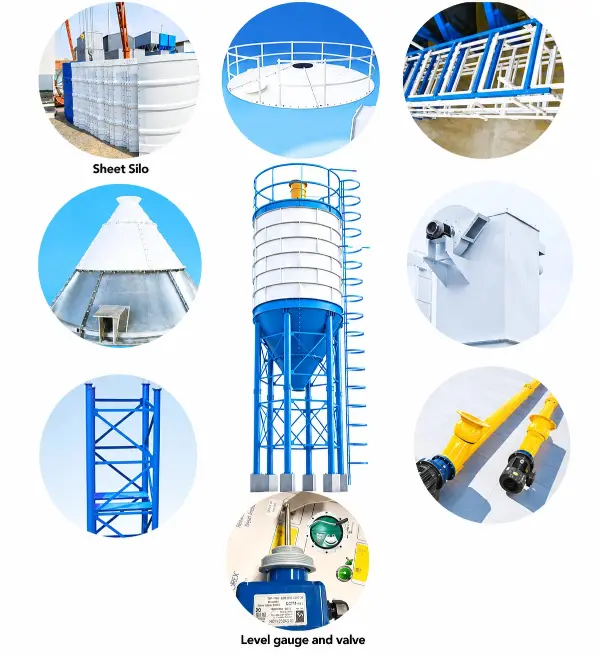
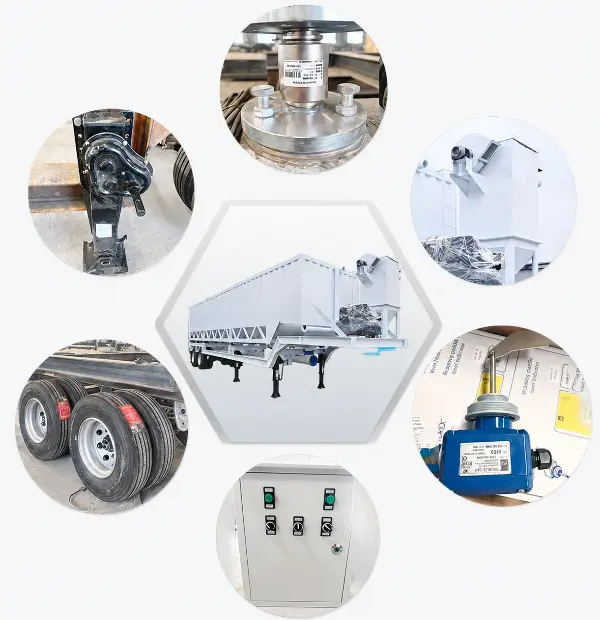
1. Silo Body
The steel silo body provides enclosed storage for cement and other compatible powder materials.
2. Dust Collector
The dust collection system captures airborne powder generated during pneumatic filling, helping reduce dust emissions.
3. Pressure Relief Valve
The pressure relief valve is a safety component designed to help protect the silo against excessive internal pressure or vacuum within its specified operating limits.
4. Material Level Indicator
Level indicators help operators monitor the material level and manage cement deliveries.
5. Aeration System
The aeration system helps improve powder flow during discharge, depending on the material characteristics and silo configuration.
6. Screw Conveyor
A screw conveyor transfers cement from the silo outlet to the weighing or production system.
7. Discharge System
The discharge system controls the flow of stored powder into downstream equipment.
8. Support Structure
Supporting legs, frames or base structures are designed according to the silo configuration and installation requirements.
Why Choose Us
1. Reliable Bulk Cement Storage
Our cement silos are designed to provide enclosed storage for bulk cement and other compatible dry powder materials.
2. Vertical & Horizontal Options
Choose a vertical cement silo for stationary storage or a horizontal cement silo for projects requiring a low-profile configuration.
3. Flexible Storage Capacities
Different storage capacities and equipment configurations can be selected according to cement consumption and delivery schedules.
4. Efficient Material Discharge
Suitable discharge equipment and optional aeration systems help maintain consistent material flow to downstream production equipment.
5. Dust Control and Safety Equipment
Dust collectors, level indicators and pressure relief devices can be configured according to the silo design and operating requirements.
6. Integration with Concrete Production Equipment
Our cement silos can be configured for use with concrete batching plants, dry mortar production lines and compatible powder conveying systems.
7. Factory-Direct Supply
We provide equipment quotations, configuration recommendations and export support based on customer requirements.
8. Technical and Installation Support
Technical documentation, installation guidance and after-sales support options can be discussed according to the selected equipment package.
Applications
Cement silos are used to store bulk cement and other compatible powder materials in concrete production and construction projects.
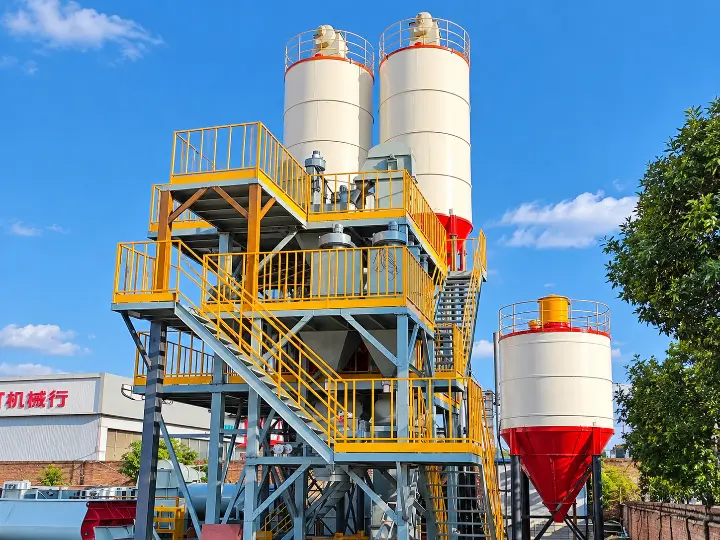
1. Concrete Batching Plants
Provide cement storage and supply for stationary and mobile concrete batching plants.
2. Ready-Mix Concrete Plants
Support continuous cement supply for commercial ready-mix concrete production.
3. Dry Mortar Production Lines
Store cement and compatible powder materials used in dry mortar manufacturing.
4. Road and Bridge Construction
Provide bulk cement storage for construction projects requiring on-site concrete production.
5. Mobile Construction Projects
Horizontal cement silos can be suitable for temporary construction sites and mobile concrete production systems.
6. Building Material Production
Provide bulk powder storage for compatible cement-based building material manufacturing processes.
Cases
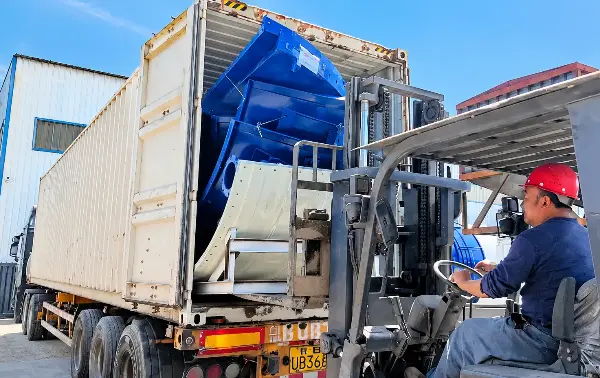
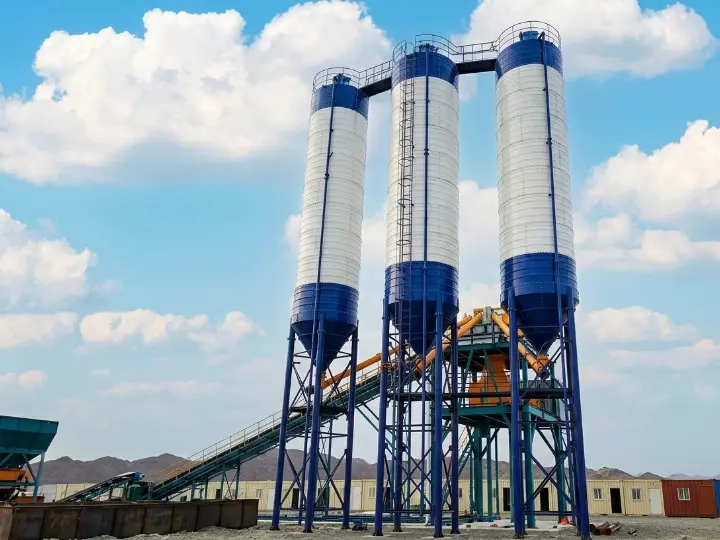
Vertical Cement Silo Case – UAE
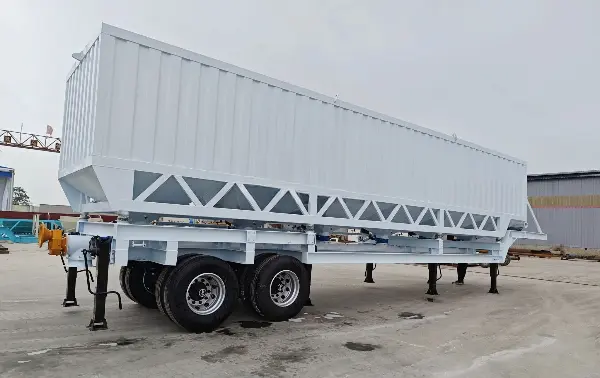
Horizontal Cement Silo Case – Australia
FAQ
Q1: How much does a cement silo cost?
Cement silo prices depend on storage capacity, vertical or horizontal design, steel specifications, accessories and shipping requirements. Contact us for a quotation based on your project.
Q2: What is the difference between a vertical and horizontal cement silo?
A vertical cement silo has a tall, cylindrical structure and is commonly used for stationary storage. A horizontal cement silo has a low-profile design and can be suitable for mobile or temporary construction projects.
Q3: What cement silo capacity should I choose?
The appropriate capacity depends on daily cement consumption, delivery frequency, project duration and available installation space.
Q4: Does a horizontal cement silo need a foundation?
Some horizontal cement silo designs can be installed on suitable prepared surfaces without a conventional deep silo foundation. However, ground-bearing capacity, anchoring, leveling and structural safety requirements must be verified for the specific model and site.
Q5: Can cement silos store fly ash?
Yes, suitably designed cement silos can store fly ash and other compatible powder materials. Material density, flow characteristics, dust collection and discharge requirements should be considered.
Q6: What is the difference between a welded and bolted cement silo?
A welded cement silo has a factory-welded structure, while a bolted silo is assembled from prefabricated sections. Bolted designs can provide transportation advantages for certain export projects.
Q7: What accessories are needed for a cement silo?
Common accessories include dust collectors, pressure relief valves, level indicators, aeration systems, discharge valves and screw conveyors. The exact configuration depends on the application.
Q8: Can a cement silo be customized?
Yes. Storage capacity, structural configuration, discharge equipment and compatible accessories can be selected according to project requirements.
Q9: How is a cement silo transported overseas?
Transportation depends on the silo design and dimensions. Sectional bolted silos may be shipped in containers, while other designs may require different shipping arrangements.
Q10: Do you provide installation and after-sales support?
Installation guidance, technical documentation and after-sales support options can be confirmed according to the selected equipment and supply agreement.