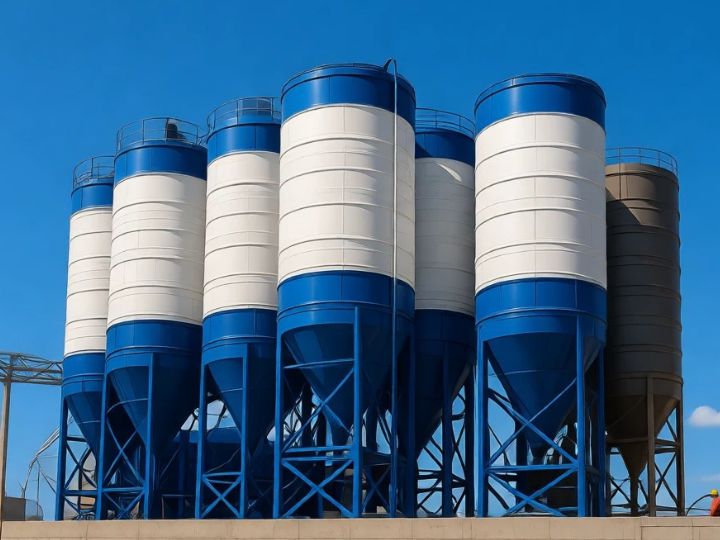
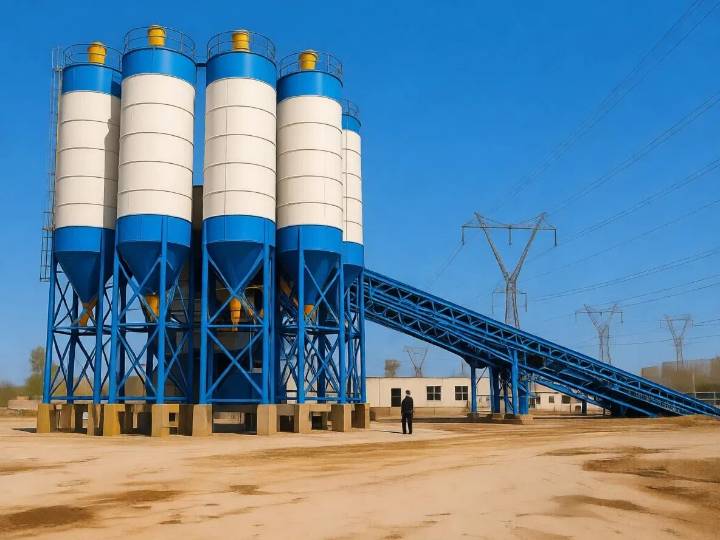
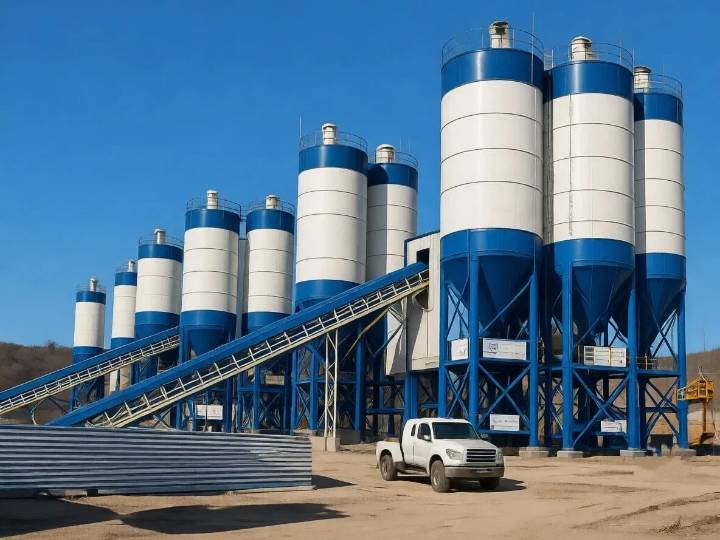
Shanghe Cement Silo
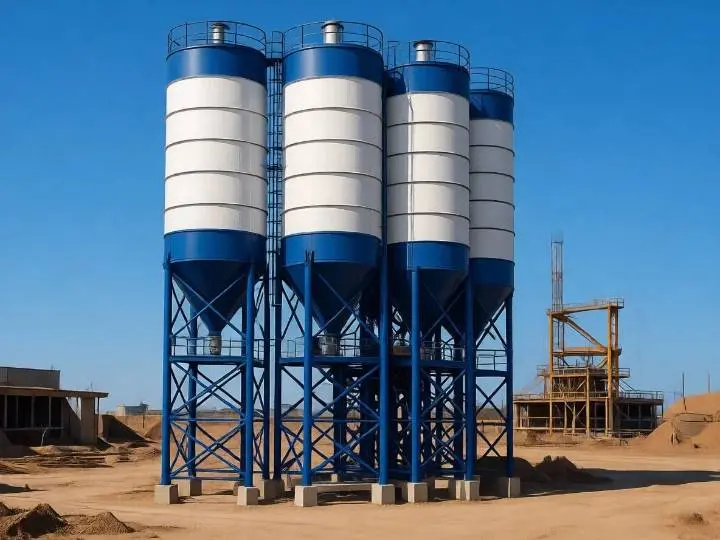
Cement silos are crucial to construction projects by enabling the bulk storage of cement directly on-site. This eliminates reliance on frequent deliveries, saving high costs and streamlining operations for greater efficiency.
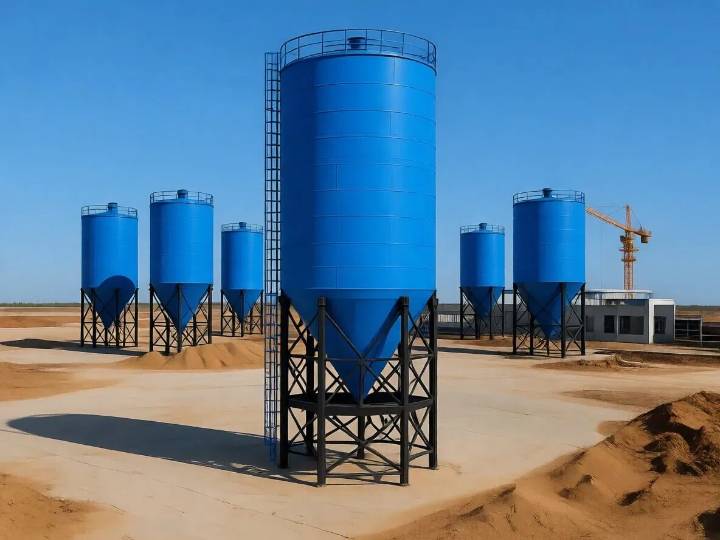
A bolted cement silo is a versatile, modular storage solution assembled on-site from prefabricated steel panels. This design offers superior transportability, installation flexibility, and cost-effectiveness, making it ideal for both temporary and permanent projects in construction, mining, and industry.
We provide a comprehensive range of high-quality silos, available in vertical and horizontal designs with capacities from 50 to 1000 tons. They are engineered for reliable storage of cement, fly ash, lime, and other powdered materials. Our silos ensure material protection and feature easy, rapid setup with minimal foundation requirements. Designed for mobility and integration, options include weighing systems, screw conveyors, and compatibility with various batching plants.
Beyond concrete production, these silos are perfect for independent use in terminals, factories, and stockpiling projects. We offer tailored solutions and expert guidance to meet your specific operational needs.
Cement Silo Types
Cement silos are classified by their design, construction, and mobility to suit different project needs.
By Structure:
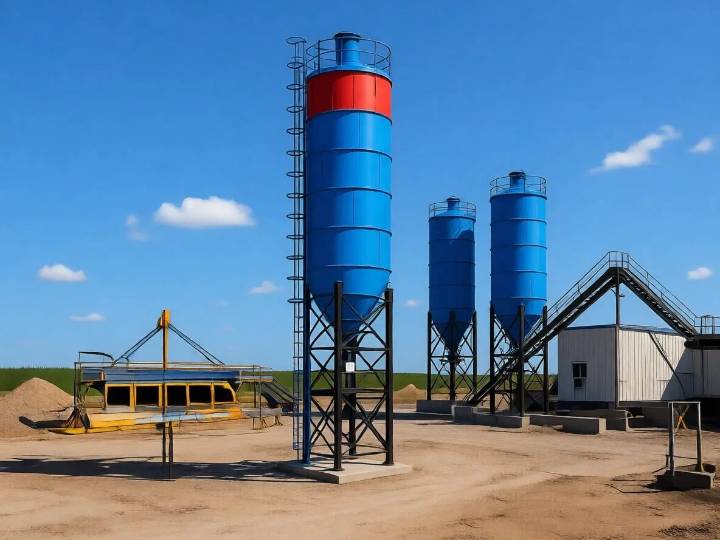
Vertical silos are tall, cylindrical units ideal for permanent, high-capacity storage with a small footprint.
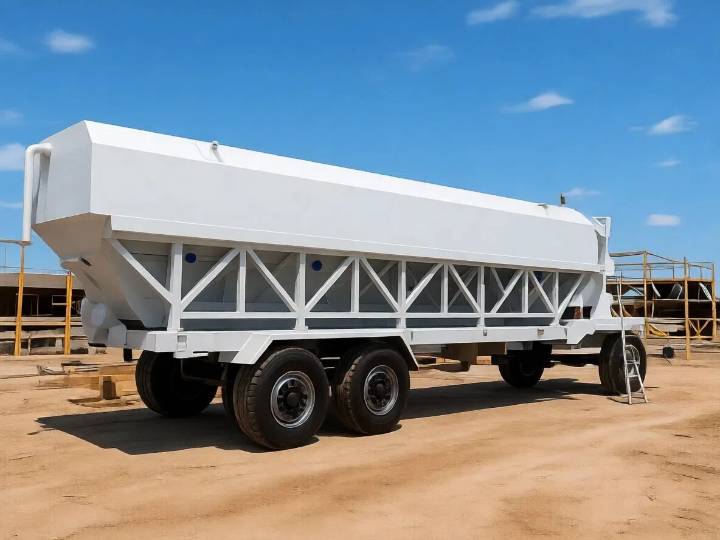
Horizontal silos offer a low-profile design, making them easier to transport and suitable for sites with height limits or temporary setups.
By Construction:
Bolted silos are modular for easy shipping and on-site assembly.
Welded silos arrive as a single, pre-assembled unit for simpler installation.
Spiral silos are formed from a folded steel strip for excellent strength and sealing.
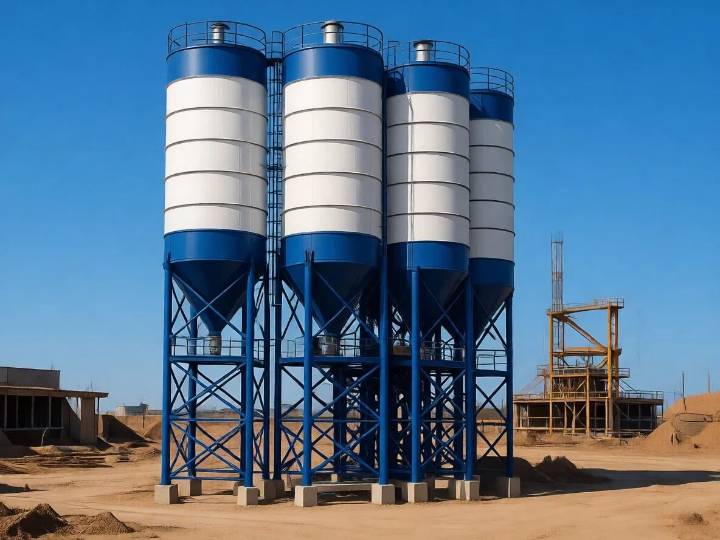
Bolted Cement Silo
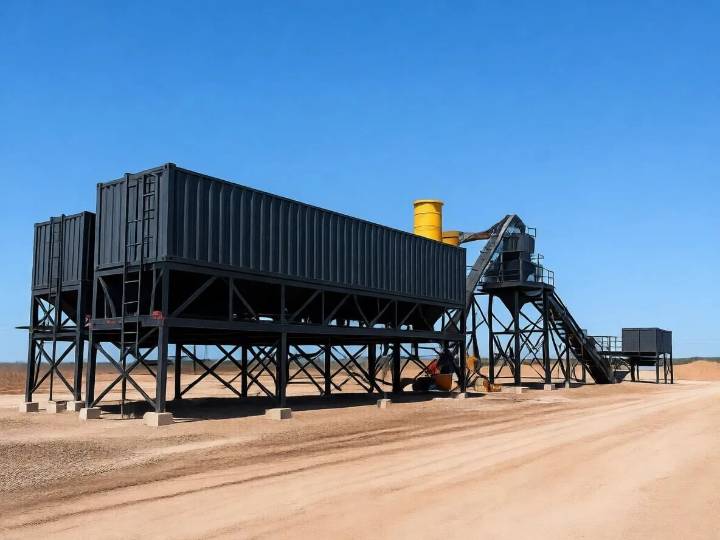
Horizontal Cement Silo
By Mobility:
Stationary silos are fixed foundations for long-term, high-volume plants.
Portable silos, including telescopic and tip-up models, are designed for easy transport and rapid deployment across multiple sites.
By Discharge System:
Common bottom types include cone-bottom for gravity flow and flat-bottom designs that use mechanical augers. Split silos feature internal compartments to store different materials simultaneously.
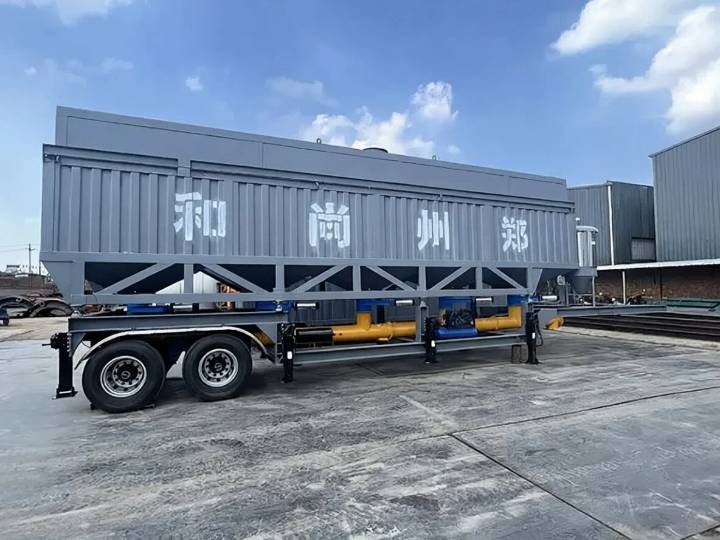
Mobile Horizontal Cement Silo
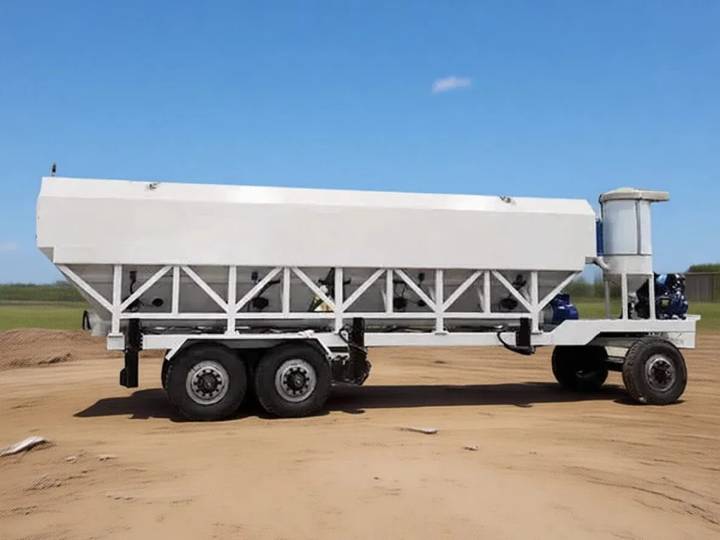
Horizontal Low Level Cement Silo
Cement Silo Comparison
| Type | Key Advantage | Use Case | Installation |
|---|---|---|---|
| Concrete | 50+ year durability | Permanent facilities | Weeks |
| Steel | Fast construction | General projects | 1-2 weeks |
| Bolted | Easy transport | Temporary projects | 1-3 days |
| Horizontal | Low profile | Urban sites | Hours |
Advantages
Bolted cement silos are a versatile and economical storage solution, ideal for both temporary and permanent projects. Their modular, prefabricated design offers key advantages over traditional welded or concrete silos.
Logistics & Portability
- Easy Transport: Components are compact, lightweight panels that ship efficiently in standard containers, drastically lowering freight costs, especially for international or remote sites.
- Fully Relocatable: The silos can be disassembled and reassembled at new locations, perfect for temporary sites or multi-phase projects.
Installation & Cost Efficiency
- Fast Assembly: Prefabricated parts enable rapid, on-site bolting, cutting construction time by over 50% compared to welded alternatives.
- Lower Costs: Reduced shipping expenses, minimal foundation work, and the need for only basic tools and semi-skilled labor result in significant overall savings.
Durability & Maintenance
- Factory-Controlled Quality: Manufacturing in a controlled environment ensures consistent, high-quality components.
- Superior Sealing: Precision engineering and specialized sealing strips create airtight seams that reliably prevent moisture infiltration.
- Easy Repairs: Damaged panels can be replaced individually, avoiding costly and complex repairs to a monolithic structure.
- Long Lifespan: Constructed from high-grade, often galvanized steel, these silos offer decades of reliable, corrosion-resistant service.
Flexibility & Safety
- Scalable Design: Storage capacity can be easily expanded by adding modular sections as needs evolve.
- Safer Installation: The bolting process eliminates high-altitude welding and open flames, reducing on-site hazards and environmental disruption.
Applications
Primary Applications
- Concrete Production: Essential for stationary and mobile batching plants, ensuring a steady supply of cement and fly ash.
- Large-Scale Construction: Used in major projects like high-rises, bridges, and highways due to their high capacity (up to 3,000+ tons).
- Cement Terminals: Serve as storage and transfer points at ports for bulk cement import/export.
- Mining & Industry: Store mineral powders, lime, and by-products like fly ash in mining, steel, and power plants.
- Material Manufacturing: Support dry mortar, brick production, and agricultural storage for grains and feed.
Material Versatility
While ideal for cement, these silos also securely store:
- Construction materials: Fly ash, lime, gypsum
- Aggregates: Sand, stone powder
- Industrial powders: Chemical raw materials
- Agricultural goods: Grains, animal feed
Strategic Advantages
- Cost-Effective Transport: Components fit in standard shipping containers, reducing freight costs for international or remote sites.
- Relocatable Design: Can be disassembled and moved, perfect for temporary projects.
- Site Flexibility: Modular panels allow access to confined or difficult-to-reach locations.
- Scalable Capacity: Height can be increased by adding sections as storage needs grow.
Working Principle
A bolted cement silo operates as a modular, airtight system for storing and dispensing powdered materials such as cement and fly ash. Its on-site assembly from prefabricated steel panels enables both transportability and reliable performance.
1. Feeding and Loading
- Pneumatic Conveying: Bulk cement is transferred from tanker trucks into the silo through a pressurized feed pipe.
- Dust Control: A top-mounted filter captures fine particles during loading, maintaining air quality and preventing over-pressurization.
- Pressure Relief: An automatic safety valve on the roof releases excess pressure to protect the silo’s structure.
2. Storage and Monitoring
- Sealed Environment: The silo’s airtight construction safeguards materials from moisture and contamination.
- Level Indicators: Sensors monitor fill levels, alerting operators when to refill or stop loading to avoid overfilling.
3. Discharge and Material Flow
- Preventing Blockages: A fluidization system or vibrator loosens material in the bottom cone, preventing clumping and ensuring consistent flow.
- Controlled Release: Cement is dispensed through a valve into a screw conveyor, which delivers a precise amount to the mixing or weighing system.
This efficient, controlled process makes bolted silos a reliable component in concrete production and bulk material handling.
| Component | Function |
|---|---|
| Modular Panels | Bolted with sealing strips for a watertight structure |
| Dust Collector | Filters air during loading to keep the site clean |
| Safety Valve | Releases excess pressure to protect the silo |
| Level Gauges | Show real‑time material inventory |
| Arch Breaker | Prevents blockages in the discharge cone |
| Screw Conveyor | Transports cement to the next production stage |
Specification
| Volume | Diameter | Silo body height | Layers of silo body | Pieces each layer | Weight |
| 50t | 3160 mm | 4260 mm | 3 | 4 | 4.5 T |
| 100t | 3160 mm | 8700 mm | 6 | 4 | 6 T |
| 150t | 3160 mm | 13000 mm | 9 | 4 | 9 T |
| 200t | 4000 mm | 11360 mm | 8 | 5 | 12 T |
| 250t | 4500 mm | 8700 mm | 6 | 6 | 12 T |
| 300t | 5300 mm | 8700 mm | 6 | 8 | 17 T |
| 500t | 6800 mm | 7300 mm | 8 | 8 | 21 T |
| 600t | 6800 mm | 8700 mm | 6 | 8 | 28 T |
| 800t | 8000 mm | 10100 mm | 7 | 10 | 43 T |
| 1000t | 8000 mm | 13200 mm | 9 | 10 | 56 T |
Key Factors For Selecting A Cement Silo
When selecting a cement silo, key factors include project scale, site logistics, and material specifications. Evaluating these ensures optimal performance and cost-efficiency.
1. Capacity & Silo Type
- Capacity: Match silo size to daily output. Small-to-medium projects typically need 50–500 tons, while large industrial sites may require 3,000+ tons.
- Type: Choose vertical silos for permanent, high-capacity storage; horizontal/low-profile for height-restricted or mobile setups; and bolted designs for easy transport and modular assembly.
2. Performance & Maintenance
- Material Flow: Prioritize systems with vibrators or aeration pads to prevent clumping and ensure steady discharge.
- Moisture Protection: Airtight construction is essential to prevent hardening.
- Access: Ensure safe, easy access for cleaning and upkeep via ladders, manholes, and valves.
3. Compliance & Modern Features
- Dust Control: Integrated filters or collectors are mandatory to meet particulate emission standards.
- Safety: Pressure relief valves and level indicators are critical to prevent over-pressurization and overfilling.
- Durability: Opt for galvanized or corrosion‑resistant coatings for long‑term use.
- Smart Integration: IoT‑enabled monitoring for real‑time inventory tracking and predictive maintenance is increasingly standard.
- Compatibility: Confirm discharge height and conveyor systems align with your existing batching or loading setup.
Choosing the right silo involves balancing storage needs, site constraints, and modern operational standards to ensure reliable, efficient, and compliant material management.
Maintaining Tips
Maintaining a cement silo demands proactive, routine care to prevent blockages, material hardening, and structural issues. Focus on these key areas:
1. Prevent Moisture & Ensure Flow
- Control Moisture: Use dry, moisture‑free air in handling systems, especially in humid climates.
- Empty Regularly: Completely discharge the silo periodically to avoid material compaction.
- Practice FIFO: Use older cement first to minimize hardening.
- Maintain Fluidizing Equipment: Regularly check air pads, diffusers, and vibrators to ensure consistent material flow.
2. Routine Inspection Schedule
- Daily/Weekly: Visually check for cracks, rust, leaks, or unusual noises.
- Quarterly: Inspect and clear relief valves and vents; schedule professional cleaning to remove buildup.
- Annually: Conduct a professional structural inspection, focusing on corrosion, coating integrity, and roof condition.
3. Structural & Component Care
- Roof Integrity: Monitor for leaks or water pooling, which can cause internal corrosion.
- Corrosion Protection: Apply or refresh protective coatings on metal surfaces.
- Lubricate Moving Parts: Monthly, lubricate discharge gates, bearings, and hinges.
- Filter Maintenance: Clean or replace dust collector filters to maintain airflow and safety.
4. Safety First
- Professional Cleaning Only: Never allow untrained personnel inside a silo due to risks of falling material and toxic fumes.
- Lockout/Tagout: Always de‑energize and secure equipment before starting any maintenance.
Following these guidelines will help ensure safe, efficient, and long‑lasting silo operation.
Why Choose Shanghe?
Custom-Engineered Per Project: Shanghe engineers work directly with your project team to design silos to spec.
Backed by Experience: As a major bolted silo manufacturer in China, we bring a commitment to give decades of experience, technical expertise, and storage solutions to meet global quality standards. From strong bolted silo designs to seamless on-site installation and post-sales support, we ensure that you get maximum value for your investment. Partners with us to secure high-capacity storage that is fully suited to your logistics and operational demands. Our Bolted Silos are available in strong Steel or light Aluminium material to match your project requirements.