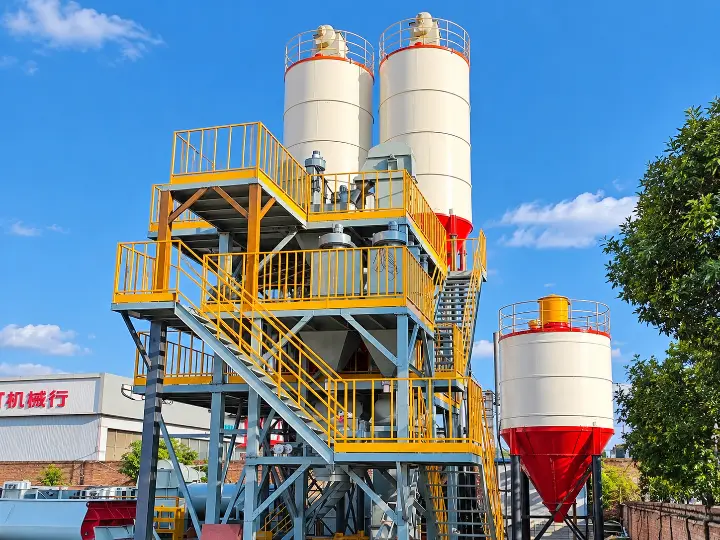
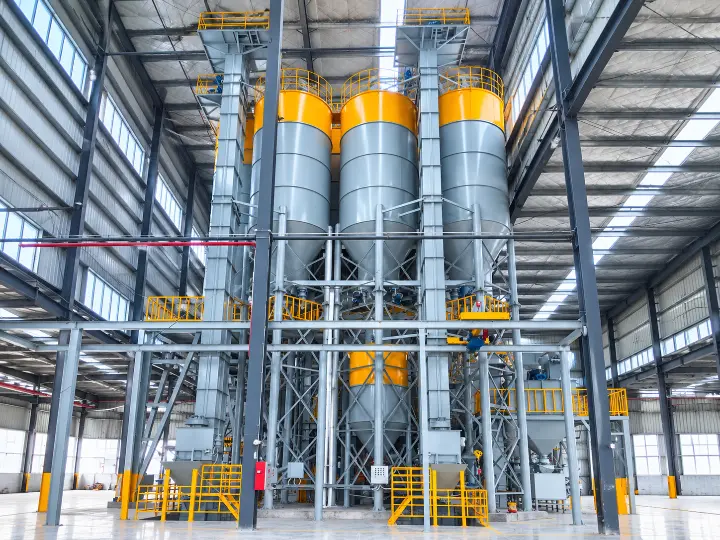
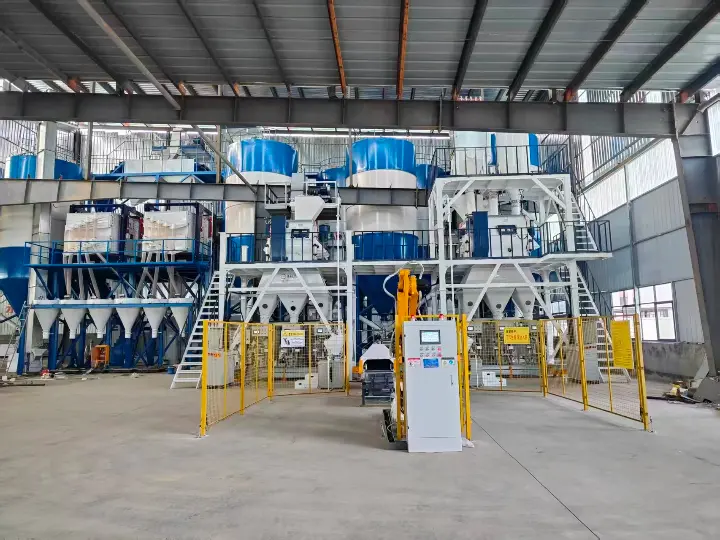
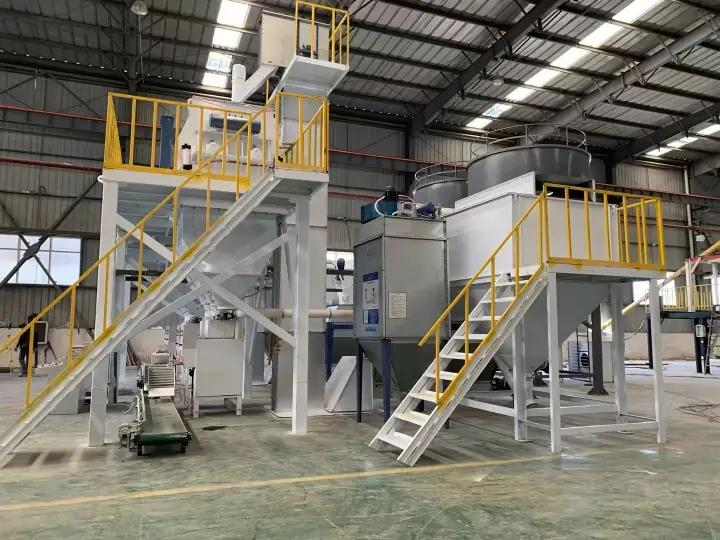
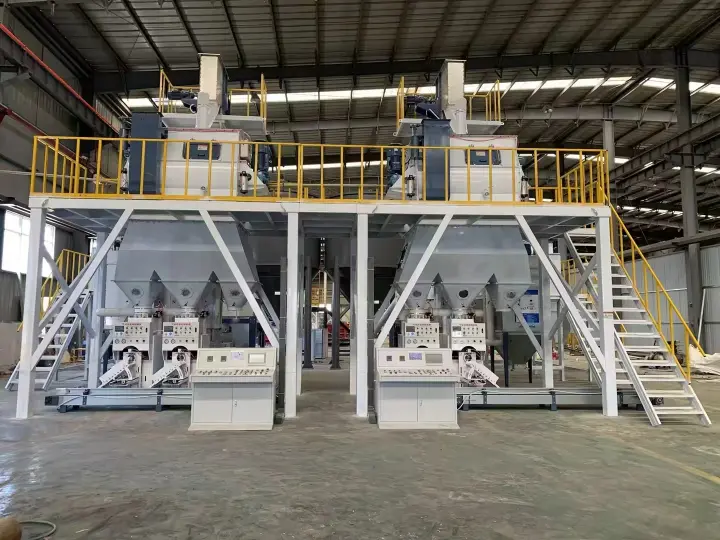
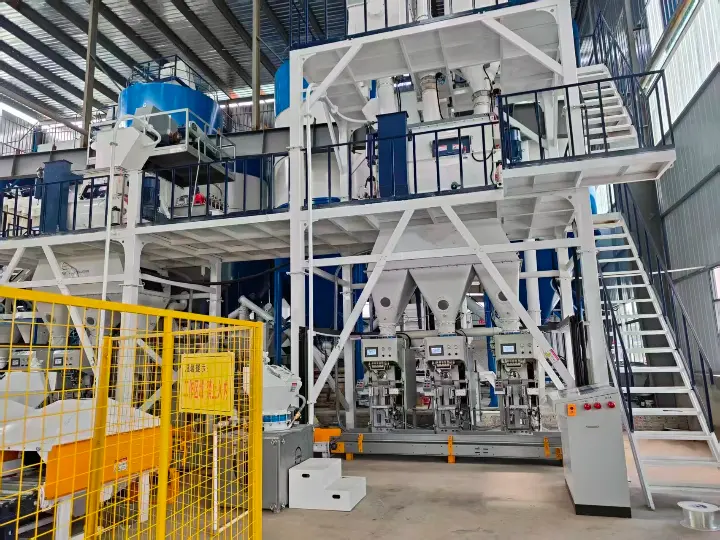
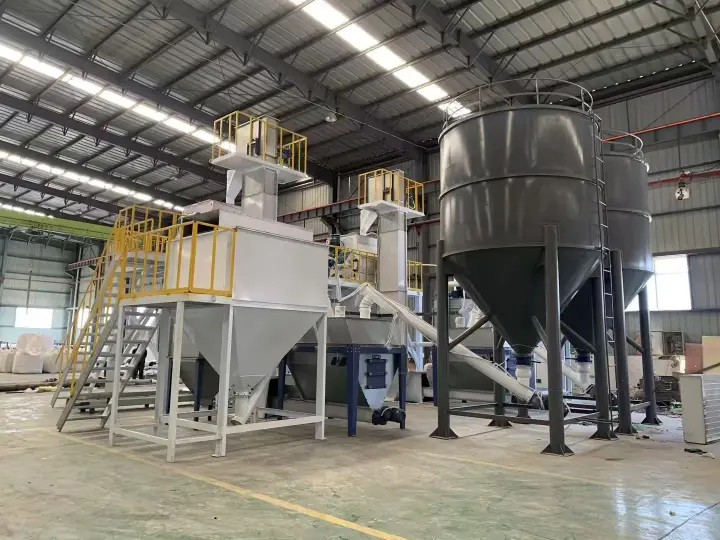
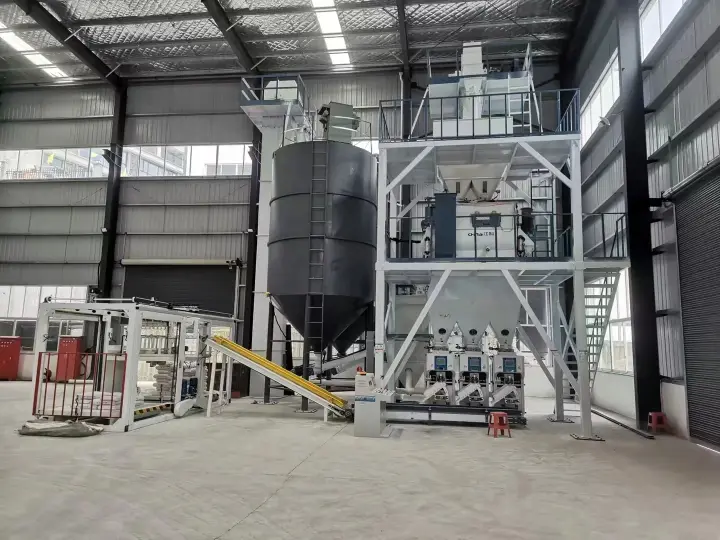
What Is a Dry Mortar Production Line?
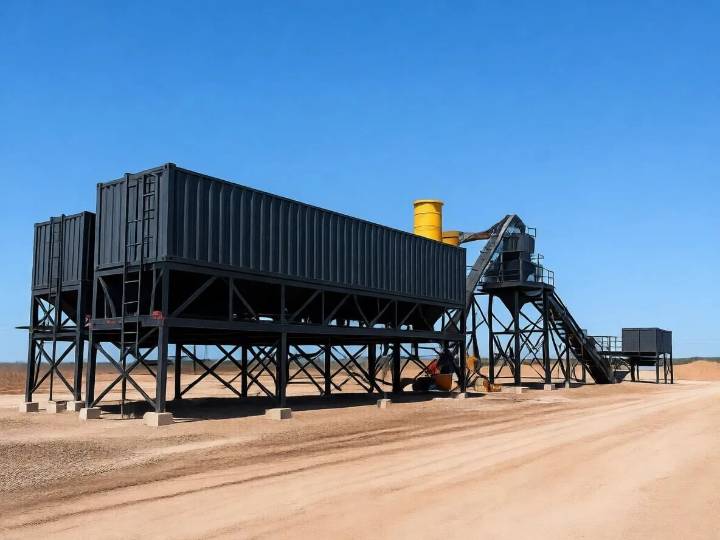
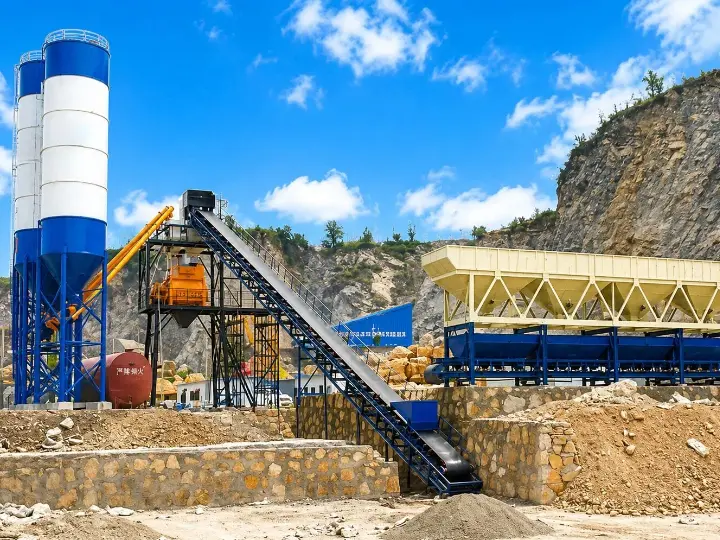
A dry mortar production line is an integrated manufacturing system used to produce ready-to-use dry-mix construction materials. It combines raw material handling, batching, weighing, mixing and packaging into an organized production process.
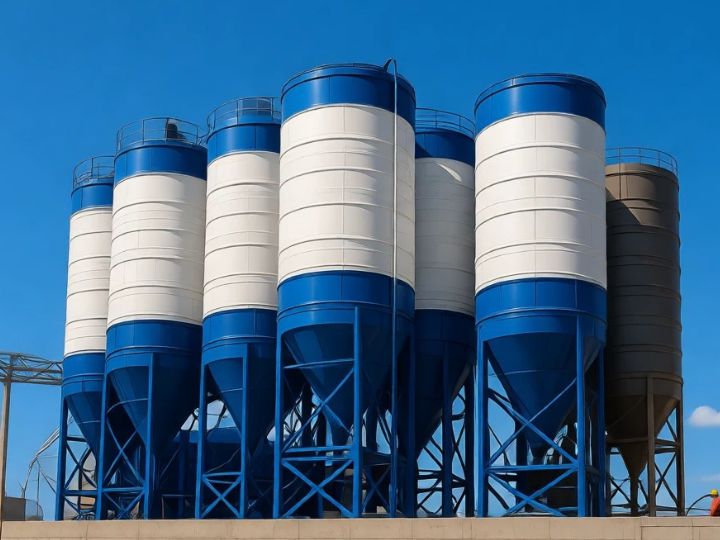
Depending on the required products and plant configuration, the system can include sand drying and screening equipment, cement silos, additive dosing systems, dry mortar mixers, dust collectors and automatic packing machines.
Shanghe Machinery helps customers select suitable equipment configurations for different production requirements, from basic mixing and packing systems to more automated production plants. Common dry mortar production lines include Tile Adhesive Production Line, Wall Putty Powder Production Line, Gypsum Plaster Production Line, Self-Leveling Mortar Production Line, Ready-Mixed Dry Mortar Production Line, Road Repair Mortar Production Line, etc.
Whether you are establishing a new factory or upgrading an existing facility, we can help you plan a solution according to your actual needs.
Applicable Materials
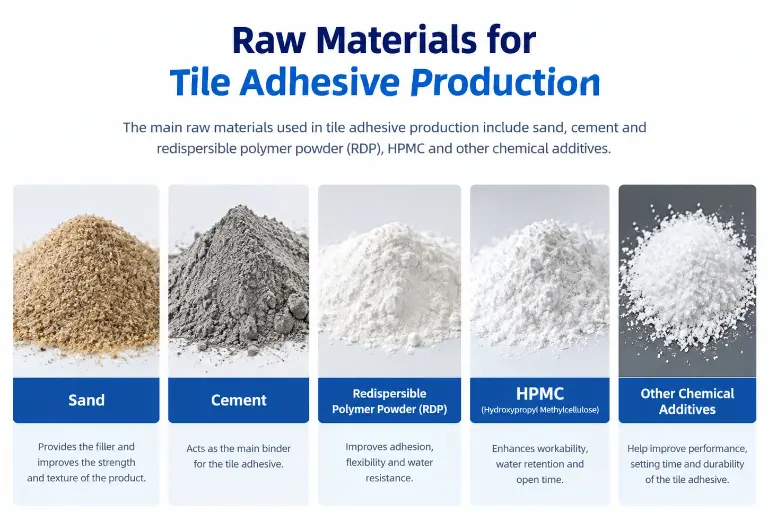
Shanghe dry mortar production lines are designed to process a wide range of raw materials, including cement, sand, gypsum, lime, fly ash, silica fume, redispersible polymer powder (RDP), HPMC, and other chemical additives. With precise batching and efficient mixing systems, the production line ensures consistent quality for various dry mortar formulations.
Common Dry Mortar Applications
- Tile Adhesive: Cement, graded sand, redispersible polymer powder, cellulose ether, and other additives.
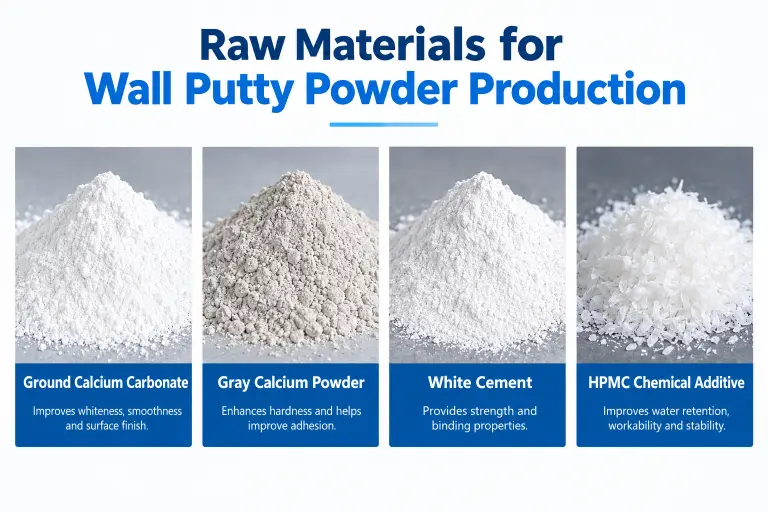
- Wall Putty: Calcium carbonate, white cement, hydrated lime, HPMC, and polymer additives.
- Masonry Mortar: Cement, sand, lime, and performance-enhancing additives.
- Plastering Mortar: Cement or gypsum, fine sand, and additives for improved workability.
- Self-Leveling Mortar: Cementitious binders, fine aggregates, mineral fillers, and specialized additives.
- Repair Mortar: Cement, graded sand, silica fume, polymer powder, and other additives for strength and adhesion.
- Waterproof Mortar: Cement, fine sand, waterproofing additives, and polymer modifiers.
- Thermal Insulation Mortar: Cementitious binders, lightweight aggregates such as expanded perlite, and functional additives.
Main Components
A complete dry mortar production line integrates raw material handling, storage, batching, weighing, mixing, packaging and finished product handling systems. Each component works together to ensure efficient material processing and consistent product quality.
1. Raw Material Lifting System
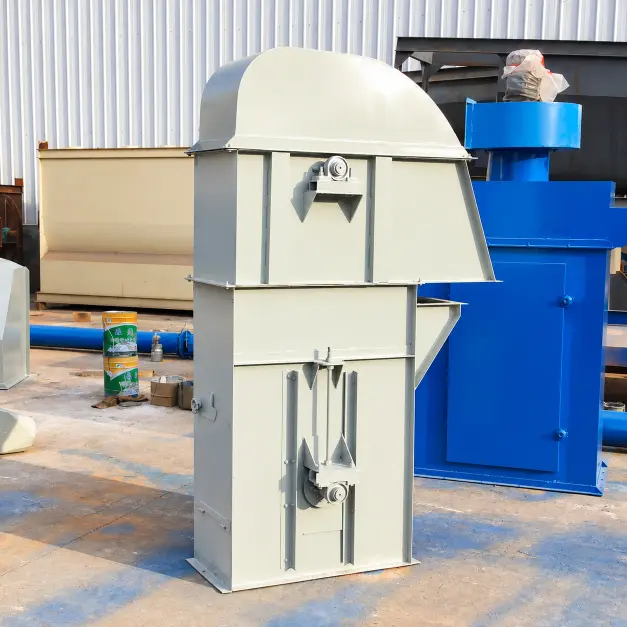
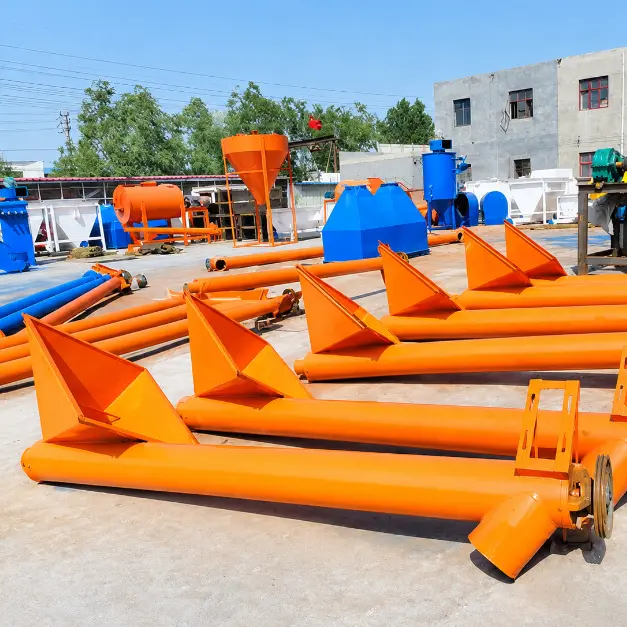
The raw material lifting system transports sand, cement and other powdered materials to the required processing or storage levels. Bucket elevators and other suitable conveying equipment help ensure continuous material transfer throughout the production process.
2. Raw Material Storage System
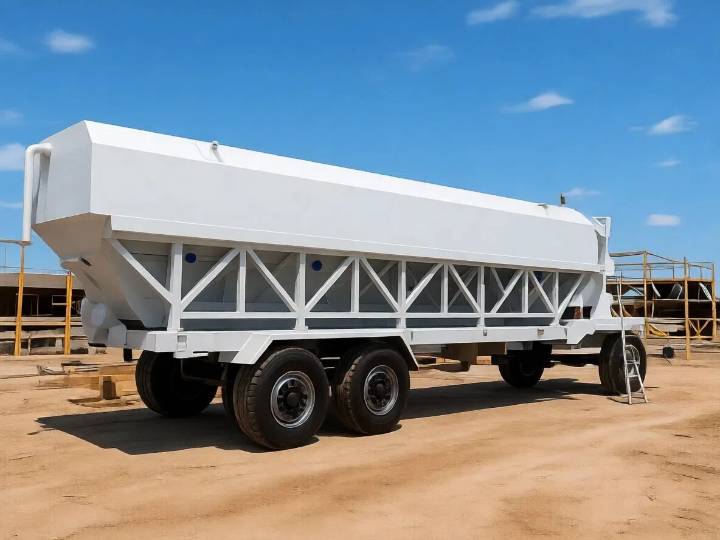
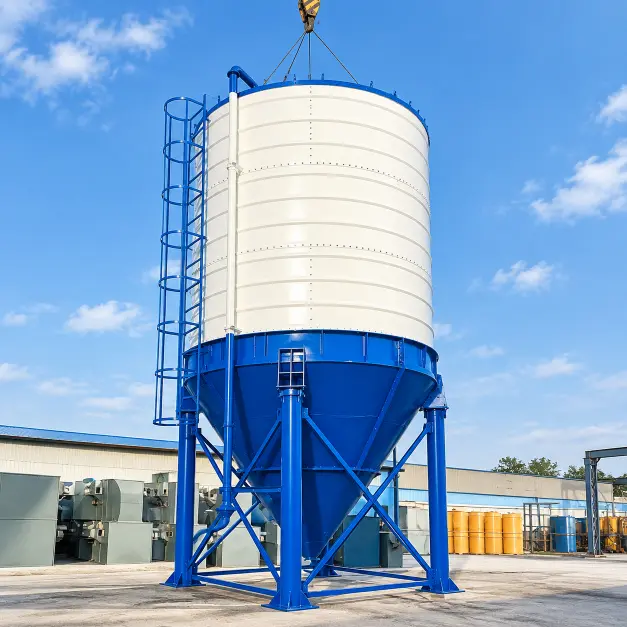
The storage system provides temporary storage for sand, cement, redispersible polymer powder (RDP), HPMC and other raw materials. Storage silos, hoppers and bins are selected according to material characteristics and production requirements.
3. Material Conveying and Batching System
This system transfers raw materials from storage units to the batching section according to the selected production process. Screw conveyors, feeding devices and dosing equipment help ensure a stable and organized material supply.
4. Automatic Weighing System
The weighing system accurately measures each ingredient according to the preset formulation. Precise batching helps maintain consistent material proportions and product quality from batch to batch.
5. Batching Elevator and Transfer System
After weighing, the raw materials are lifted or transferred to the pre-mixing hopper or main mixer. This system coordinates material movement between the batching and mixing stages.
6. Dry Mortar Mixing System
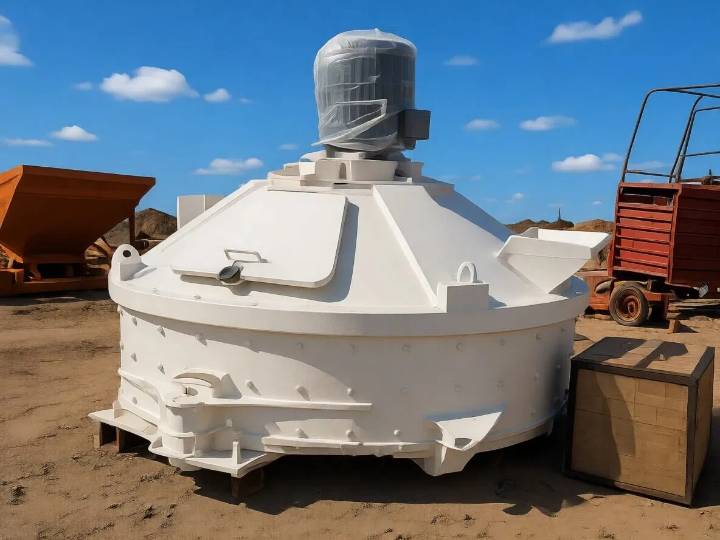
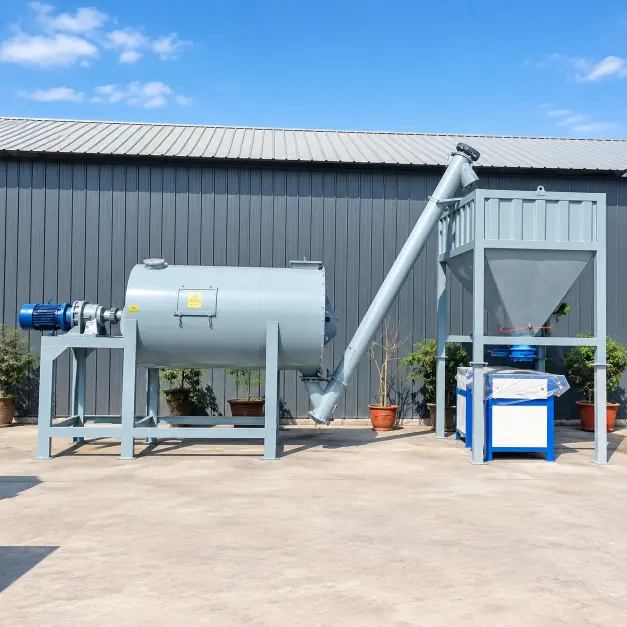
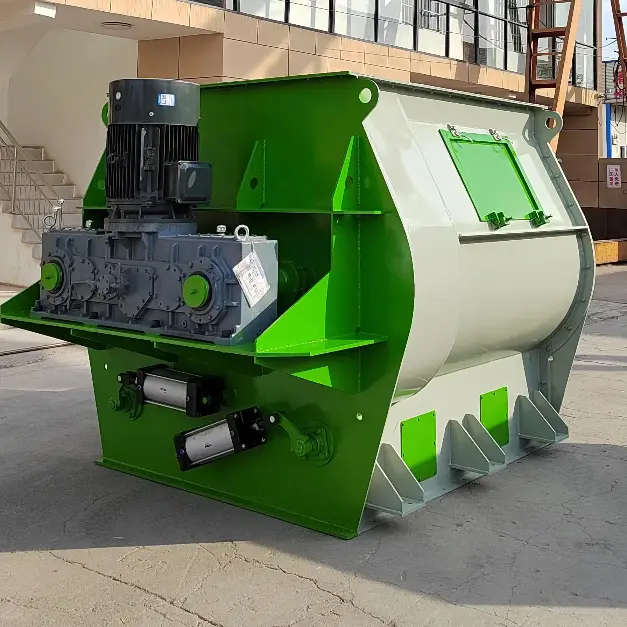
The mixing system combines sand, cement, polymer powders and other additives into a uniform dry blend. Depending on the required formulation and production capacity, a suitable dry powder mixer can be selected to achieve the desired mixing performance.
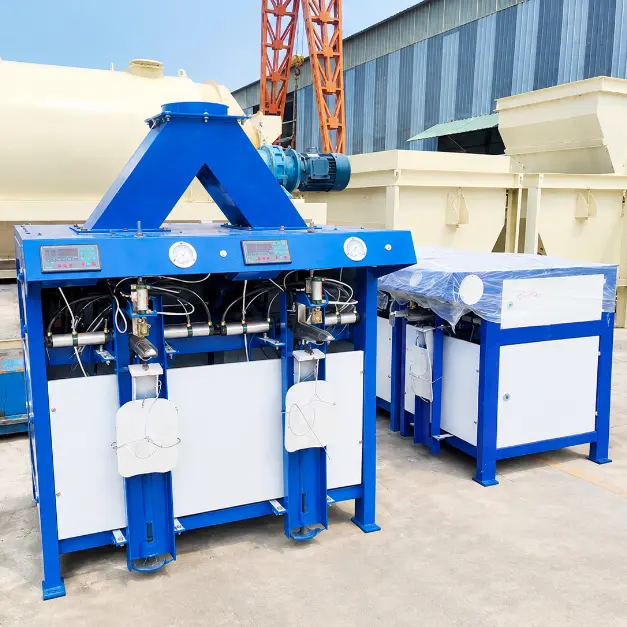
7. Finished Product Packaging System
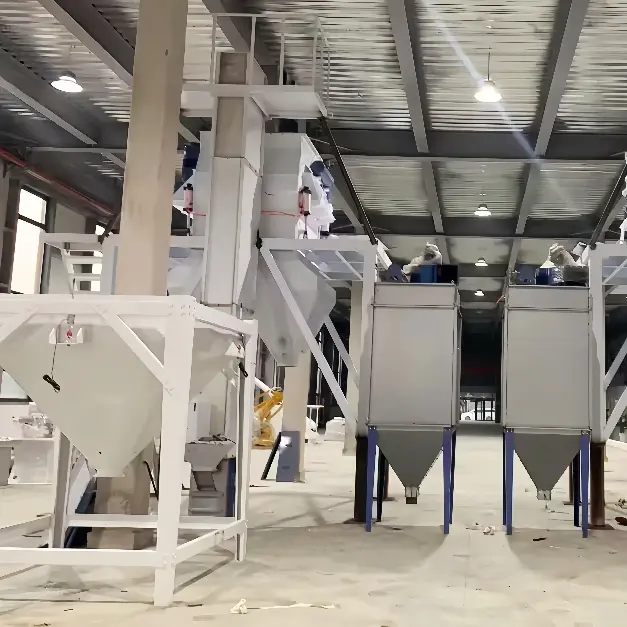
After mixing, the finished dry mortar is discharged into a storage hopper and fed to the packaging machine. The system fills bags according to the preset weight and packaging requirements, preparing the products for storage and transportation.
8. Automatic Palletizing System
The automatic palletizing system stacks filled bags in an organized pattern on pallets. It helps reduce manual handling and improves the efficiency of finished product handling and warehouse operations.
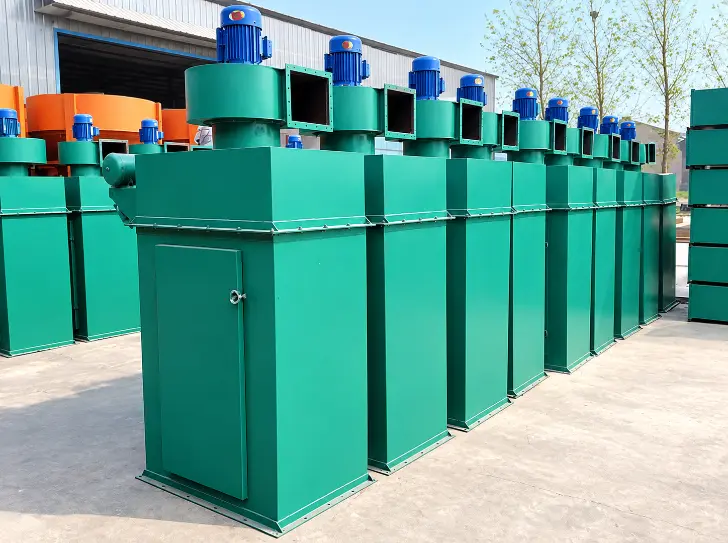
9. Dust Collection System
The dust collection system captures airborne dust generated during material feeding, conveying, mixing and packaging. Proper dust control helps maintain a cleaner working environment and supports efficient plant operation.
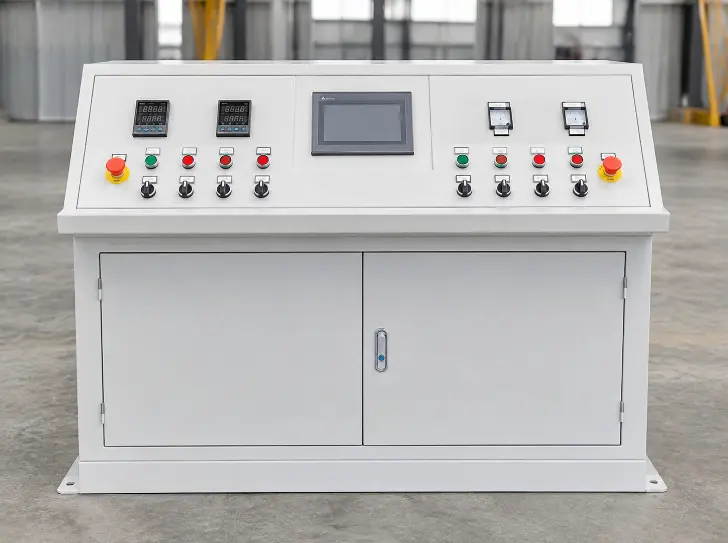
10. PLC Control System
The PLC control system coordinates the production line according to the selected formulation and operating parameters. It manages material feeding, batching, weighing, mixing and other connected processes, helping improve automation, operational consistency and production efficiency.
All systems can be configured according to your target mortar products, required production capacity, raw material characteristics, factory layout and automation requirements.
How Does a Dry Mortar Production Line Work?
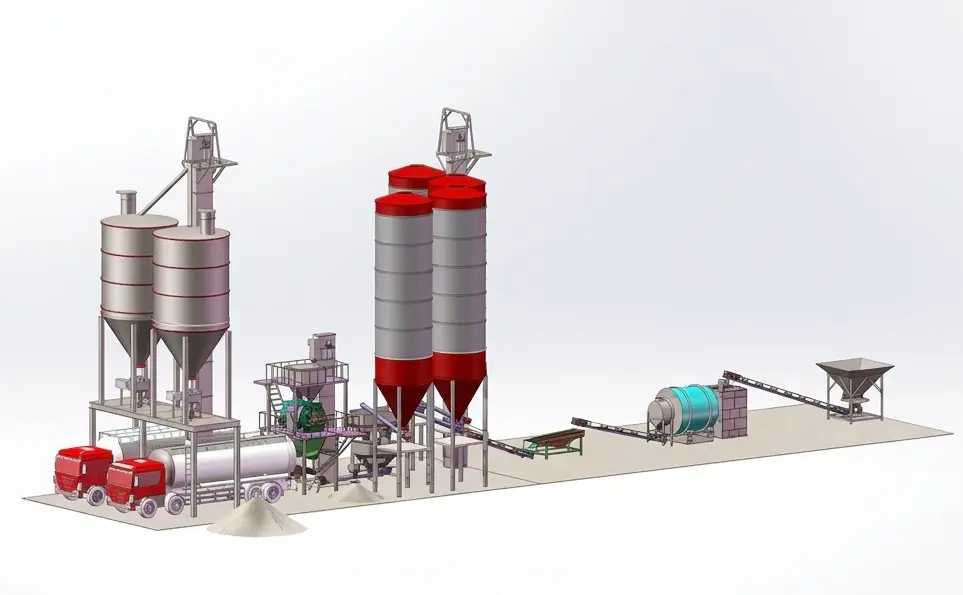
The dry mortar production line integrates raw material handling, automatic batching, precise weighing, uniform mixing and finished product packaging into one coordinated production process. Controlled by a PLC system, the production line operates according to preset formulations and production parameters to ensure consistent product quality and efficient operation.
1. Raw Material Feeding
Sand, cement, redispersible polymer powder (RDP), HPMC and other additives are fed into the production system. If required, sand is dried and screened before entering the storage and batching stages.
2. Raw Material Storage
Different raw materials are stored separately in silos, hoppers or storage bins according to their characteristics. The storage system provides a continuous supply of materials for subsequent production processes.
3. Automatic Batching and Weighing
According to the selected formulation, the PLC control system controls the feeding and weighing equipment to measure each ingredient in the required proportion. Accurate batching helps maintain consistent product composition.
4. Material Conveying and Transfer
After weighing, the raw materials are transferred to a pre-mixing hopper or directly to the main mixer, depending on the plant configuration. The conveying system coordinates material movement between each production stage.
5. Uniform Mixing
The measured ingredients enter the dry mortar mixer and are thoroughly blended to achieve the required mixing uniformity. For the specified configuration, the typical mixing time can be approximately 3 minutes, subject to the formulation, batch size and equipment performance.
6. Finished Product Discharge
After mixing is completed, the finished dry mortar is discharged and conveyed to the finished product storage hopper, ready for packaging.
7. Automatic Bagging and Packaging
The packaging machine fills the finished mortar into bags according to the preset bag weight. The packaged products are then transferred to the finished product handling area.
8. Automatic Palletizing and Storage
Filled bags are arranged and stacked on pallets by the automatic palletizing system, where equipped. The finished products are then moved to the warehouse or designated storage area, ready for shipment.
PLC-Controlled Production Process
The PLC control system coordinates the connected equipment throughout the production process, from raw material feeding and batching to mixing and packaging. Depending on the selected configuration, automated operation helps reduce manual intervention, improve production consistency and streamline plant management.
Features and Advantages
1. Flexible Production Capacity
Available in different configurations to meet various production requirements, from small-scale mortar plants to large industrial production facilities. Equipment selection and system layout can be customized according to the required output, raw materials, and factory conditions.
2. Accurate Batching and Weighing
The automated batching and weighing system controls the proportions of cement, sand, mineral additives, and chemical admixtures. Precise material measurement helps maintain consistent formulations and stable finished product quality.
3. Uniform and Efficient Mixing
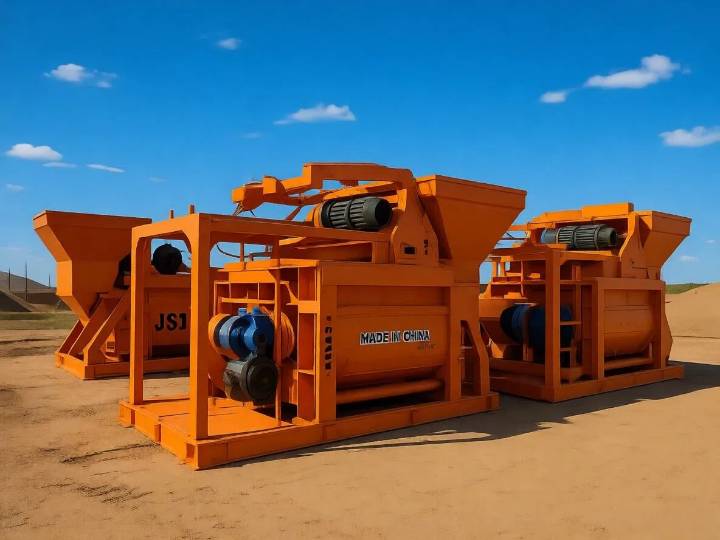
The production line can be equipped with suitable mixing equipment, such as a ploughshare mixer or twin-shaft paddle mixer, depending on the mortar formulation and production requirements. Efficient mixing helps achieve a uniform distribution of raw materials and additives.
4. Automated PLC Control
The PLC control system integrates key production processes, including material conveying, weighing, mixing, and packaging. Centralized operation simplifies production management, reduces manual intervention, and improves operational efficiency.
5. Integrated Dust Collection System
Dust collection equipment can be installed at material feeding, conveying, mixing, and packaging points to help control airborne dust, reduce material loss, and maintain a cleaner production environment.
6. Flexible Equipment Configuration
Optional equipment includes sand dryers, vibrating screens, cement silos, dust collectors, automatic packing machines, and palletizing systems. Customers can select the appropriate configuration according to their raw materials, production capacity, and automation requirements.
7. Efficient Packaging and Palletizing
The finished mortar can be transferred to automatic or semi-automatic packaging equipment for bag filling. Optional palletizing systems help organize finished products, reduce manual handling, and improve warehouse and loading efficiency.
8. Wide Range of Applications
The production line can be configured to manufacture various dry mortar products, including: thermal insulation mortar and other specialty mortars, tile adhesive and tile grout, interior and exterior wall putty, masonry and plastering mortar, Floor screed and self-leveling mortar, waterproof mortar and repair mortar
9. Customized Turnkey Solutions
Shanghe provides customized equipment configurations based on customers’ product types, required output, raw material characteristics, factory layout, and investment budget. From equipment selection to installation guidance and commissioning support, we help customers establish efficient dry mortar production facilities.
Why Choose Us
- Customized Plant Configuration
Equipment selection is based on your target mortar products, required output, raw materials and available factory space.
2. Flexible Automation Options
Choose an appropriate control and automation configuration based on your operating requirements and investment plan.
3. Integrated Equipment Planning
Coordinate material feeding, storage, batching, mixing and packaging to create a practical production workflow.
4. Support for Different Production Requirements
Discuss your product range and project goals with our team to determine a suitable equipment combination.
5. Project-Based Technical Communication
Share your factory dimensions, local power supply and production targets so that the equipment configuration can be evaluated before quotation.
Full Service Support
We provide complete solutions:
- Free project consultation
- Customized layout design
- Installation guidance
- Operator training
- Spare parts supply
- 24/7 technical support
👉 One-stop solution for your project
Purchase Process
| Step | Stage | Description |
|---|---|---|
| 01 | Inquiry & Consultation | Share your project details — output requirements, site conditions, and local standards. Our engineers recommend the most suitable model. |
| 02 | Proposal & Quotation | Receive detailed technical specifications, layout drawings, and FOB/CIF pricing within 24 hours. |
| 03 | Production & QC | Manufacturing with strict quality control. Pre-shipment Factory Acceptance Test (FAT) available. |
| 04 | Shipping & Customs | Complete export documentation, sea freight booking, and cargo insurance. Full shipment tracking provided. |
| 05 | Installation & Training | On-site installation supervision by technicians. Includes operator training and full commissioning support. |
Client Feedback-Trusted Globally
★★★★★
“We needed a reliable dry mortar production line for manufacturing tile adhesive and wall putty. Shanghe provided a complete solution with automatic batching, efficient mixing, and packaging systems. The production process is smooth, and the finished products meet our quality requirements.”
Mohamed
Factory Owner — Saudi Arabia
★★★★★
“We chose Shanghe for our dry mortar plant because we needed accurate material dosing and consistent mixing quality. The PLC control system makes operation simple, while the automatic packaging system improves our production efficiency. The team provided professional technical support throughout the project.”
Rajesh
Production Manager — India
★★★★★
“Our project required a customized dry mortar production line for different mortar formulations. Shanghe helped us configure the equipment according to our production needs, including raw material storage, conveying, mixing, and finished product packaging. The complete solution made our production process more efficient and easier to manage.”
Carlos
Project Director — Brazil
FAQ
Q: What products can a dry mortar production line manufacture?
A: Depending on the mixer, dosing system and formulation, a dry mortar plant can be configured for products such as tile adhesive, wall putty, plastering mortar, masonry mortar and selected specialty dry-mix materials.
Q: Can you customize the production line according to our capacity?
A: Yes. Share your required output per hour or year, target products and factory conditions. These details help determine the appropriate equipment configuration.
Q: Can the plant use automatic batching and packing?
A: Automation options depend on the selected system. Automatic weighing, control, bagging and other handling equipment can be evaluated according to your project requirements.
Q: What information is needed to get a quotation?
A: Please provide your target production capacity, products, raw material conditions, preferred automation level, bag size, destination country and available factory space, if known.
Q: Can you help plan the factory layout?
A: Factory layout planning can be discussed based on your site dimensions, equipment configuration, material flow and installation requirements. Confirm the available engineering services with our sales team.
📞 Get Your Factory Price Today
Tell us your requirements and get a customized solution:
- Required capacity (Required output per hour, shift or year.)
- Required Product (Tile adhesive, wall putty, plastering mortar or other dry-mix products.)
- Raw materials (Sand moisture, particle size, cement, fillers and additives.)
- Automation level (Manual feeding, semi-automatic operation or automated batching and packing.)
- Factory conditions (Available space, power supply, local regulations and material handling requirements.)
We will recommend the best model for your business